
We are history. I know that sounds like some cheesy line from an intro-level seminar, but it really is true in both senses of the phrase. We are history in an existential sense, because we die. From this we draw an imperative to live. We are also history, though, because we are material and ideological expressions of the past. We are born into worlds with preexisting conditions—ideas, hierarchies, inequalities, to name a few—and, through the course of our lives, decide whether we will replicate or change these flaws. The two together, our impending death and our knowledge about our place in the world, are what make studying history so important.
History helps us understand the failures of prior generations and, from them, to construct norms by which we can better live. From history, we learn that there is no “great again” to which we can return, that we are dangerous creatures acting with limited information, and that there is much left to be done as we work to build a more just and equal society. There are no “lessons of history” other than this imperative to learn and do better.

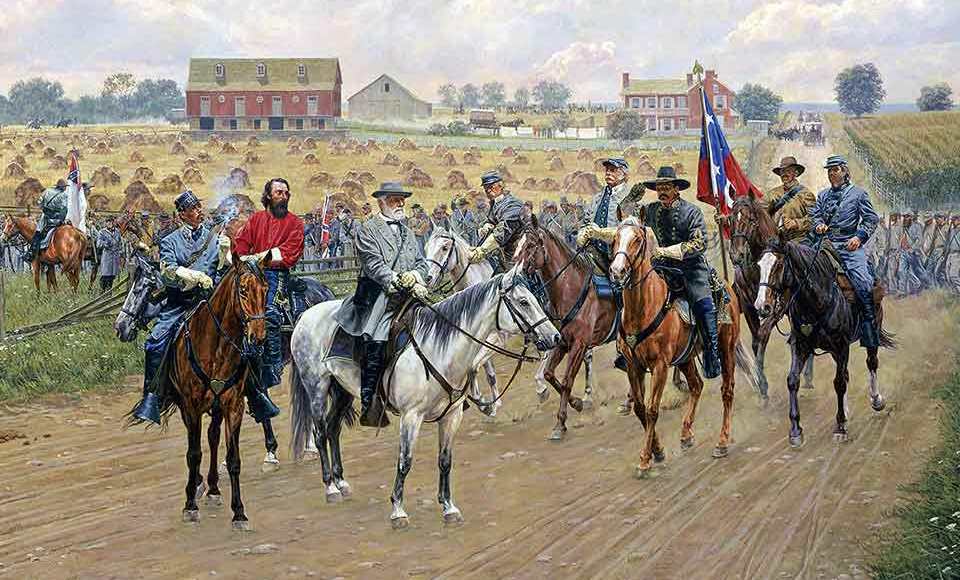
A historical safety net of shared, socially-constructed norms is crucial to a functional democracy. Trump is able to galvanize support for his racist authoritarian vision of “the people” because Americans, especially white Americans, have opted for generations to learn mythology instead of history. We gloss over genocide after genocide, embrace the Lost Cause, rob Dr. King of his ideas in favor of the “Dream,” and pretend above all that white wealth is based on anything other than ongoing systems of oppression and extraction perfectly designed to benefit white Americans at the expense of everyone else. We have failed to do history, and with it, to do the difficult work of constructing and consecrating the norms that should keep us safe.
We must embrace history for what it is—”a ruthless criticism of all that exists.” History acknowledges the physical world and asks questions to understand it. History is also forward-looking. Through history, we hope to create a better world by understanding the origins of our own shortcomings. This act requires humility, which is why historical inquiry is anathema to right-wing authoritarians. They prefer, instead, to repeat ridiculous truisms about “bootstraps,” the “American dream,” or “great man” mythologies. More often, they ignore history altogether.
The failure to adequately construct a viable and accurate popular history leaves a gaping, Trump-shaped hole through which white supremacists and kleptocratic oligarchs all-too-happily barge. They spread lies like “white genocide.” They make each of us less safe. They make our society less just. They accomplish these feats on the back of white supremacist conspiracy theories and mythologies.
Which brings me to us: actually-existing historians.
We do ourselves and our neighbors an incredible disservice by blandly threatening Trump and his supporters that history will judge them. That’s an obvious, pathetic lie and everyone knows it. They don’t care what we say when they’re living. Why on earth would they care after they die?
It is the far-Right’s ironic embrace of historical materialism—that unfettered political and economic power is self-perpetuating—that makes Trump dangerous. Their willingness to disregard the norms we historians hold so dear, including the discursive norm that our work not seem overtly political, requires new tactics and a new commitment to immediately and unequivocally defy their racist, classist, and sexist vision of the future.
We have a compelling story to tell about America, perhaps the only one with which we can counter Trump’s authoritarian tactics because it has the benefit of being demonstrably true. This is uncomfortable terrain for many of us, but it is imperative that we lean further into the activist work that many of us have explored since 2016.
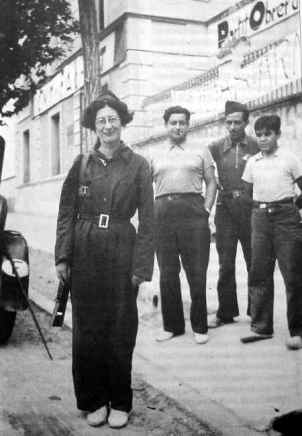
We must embrace the path of radical scholars like Simone Weil, one of my personal heroes. When she sought to join the struggle to improve the lives of working-class people, she left academic work for the factory. When she perceived the threat of fascism, the pacifist Weil joined antifascist forces to defend democracy in Spain. She saw existing norms as inadequate but understood the risk of abandoning them for a mythology-infused future shaped by ethnonationalists.
We have neglected a fully-engaged history for too long. The results of this neglect are manifest in increasing inequality and oppression; in Republican celebrations of hate speech as “free speech”; and in attacks on journalists as a patriotic silencing of the “enemy of the people.” Trump repeats white supremacist conspiracy theories. His followers and fellow-travelers carry out attacks. Perhaps I’m wrong, but I worry that we have a criminal president empowered by devout white supremacists who understand that the only thing keeping them in power is their willingness to suppress their opponents. I worry that too few of our neighbors appreciate the gravity of this situation.
We need, as publicly as possible, to make the case together for democracy and equality before it’s too late. The time to act is now. It is, to draw on the lesson of history, the only time we have.
* * *
Our collected volume of essays, Demand the Impossible: Essays in History As Activism, is now available on Amazon! Based on research first featured on The Activist History Review, the twelve essays in this volume examine the role of history in shaping ongoing debates over monuments, racism, clean energy, health care, poverty, and the Democratic Party. Together they show the ways that the issues of today are historical expressions of power that continue to shape the present. Also, be sure to review our book on Goodreads and join our Goodreads group to receive notifications about upcoming promotions and book discussions for Demand the Impossible!
* * *
We here at The Activist History Review are always working to expand and develop our mission, vision, and goals for the future. These efforts sometimes necessitate a budget slightly larger than our own pockets. If you have enjoyed reading the content we host here on the site, please consider donating to our cause.


 The Activist History Review
A breath of fresh air – thank you for these words and passions.
LikeLiked by 1 person
Reblogged this on Digital learning PD Dr Ann Lawless and commented:
the power of history revealed
LikeLike
Pingback: What Does it Mean to Be an Activist Historian?: A Roundtable with the Editors – The Activist History Review