
Call for Papers: Bi-Annual Conference “Race and Equity in Higher Ed”
The Activist History Review invites proposals for its bi-annual conference, “Race and Equity in Higher Ed,” to be held on June 13, 2020 at Villanova University.
The Future is Another Country
The Activist History Review invites proposals for its bi-annual conference, “Race and Equity in Higher Ed,” to be held on June 13, 2020 at Villanova University.

Marginalized student-activists and diversity workers continue to rise up and mark space in the face of both institutional barriers and the incendiary socio-political discourse of our time.
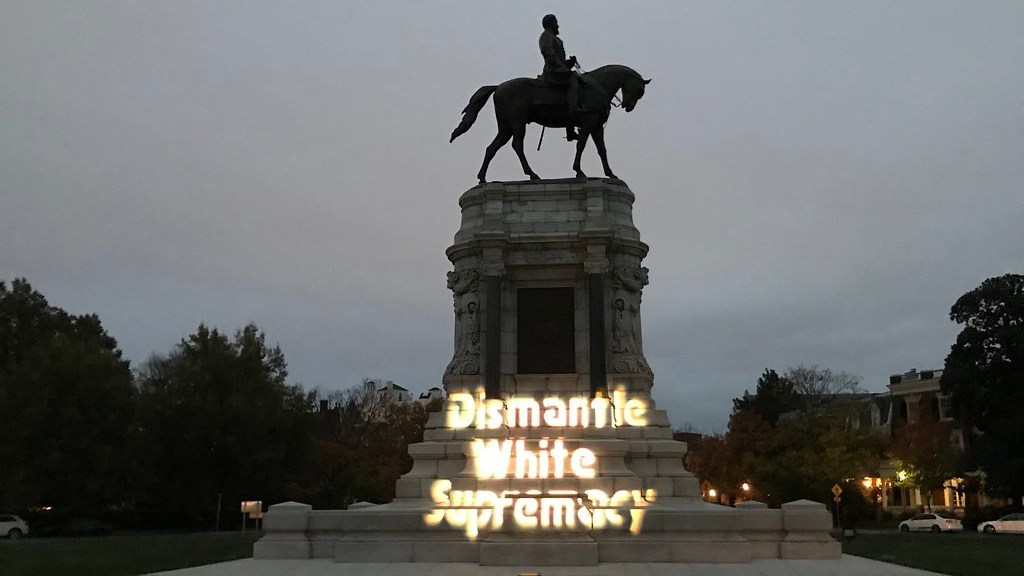
The Activist History Review invites proposals for our November issue: “White Supremacy in the University.” Submissions are due October 21st.
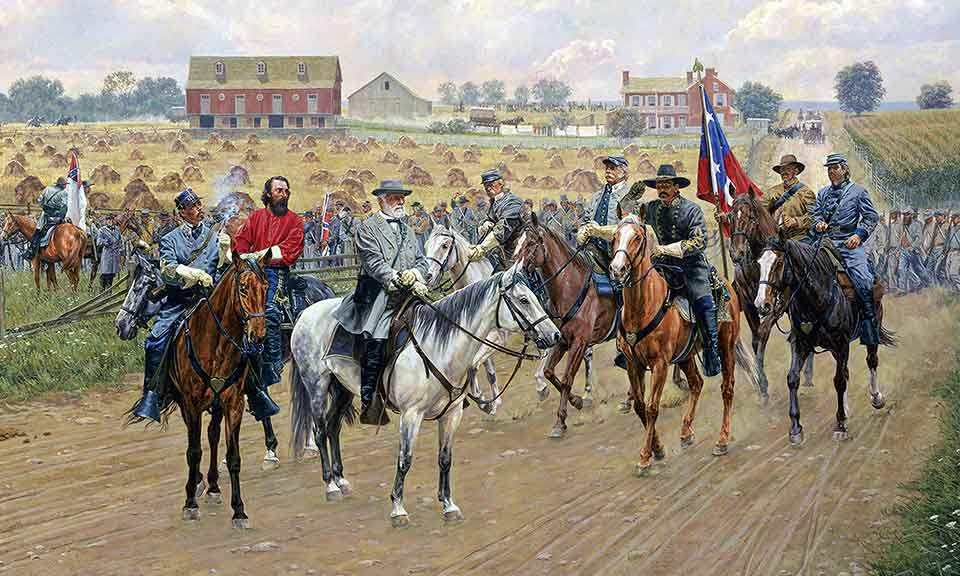
History doesn’t repeat itself, but that’s not why we study it.

Khristie’s sustenance of racism hurts not only themselves and the Tiffanys of the world, but also rolls the clock back and provides an incubator for white supremacy that stunts the growth of all communities—more specifically communities of color, the same supportive communities that will “stick with her” through thick and thin.
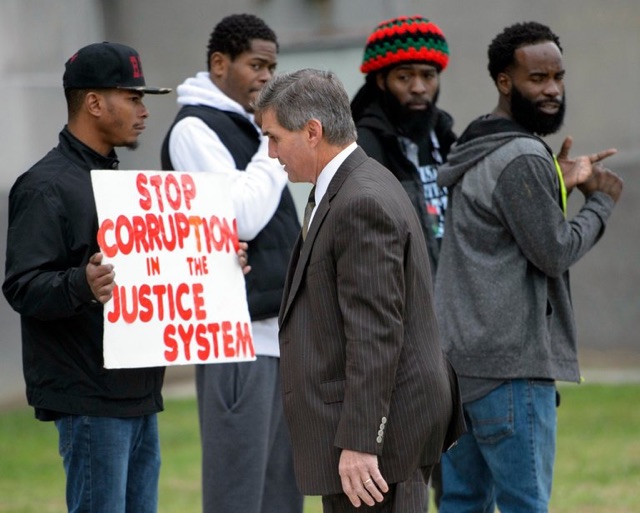
The “court-industrial complex” is an ideology that forms the bedrock of Louisiana criminal justice. It will continue to sustain mass incarceration and municipal plunder despite the best efforts of reformers on the ground unless these carceral mechanisms themselves are undone. Until then, the Court will continue to “eat” the poor.

Before they even learn the details, adherents already know the outcome of real world events. The white guy will be the good guy, no matter what.

There is a narrative of racism that permeates all of Decatur, Georgia that goes much deeper than a stone monument.
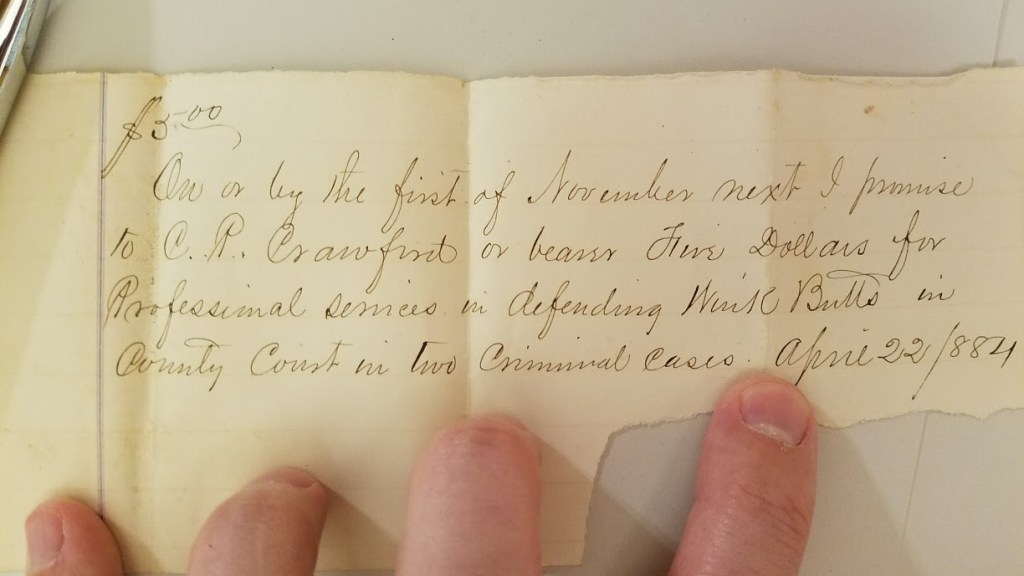
There is a conversation about race that white families are just not having. This is mine.

The acceptance of colonization as inevitable does not exist in a moral vacuum. For many scholars, the question of colonization’s perceived inevitability may seem like a moot point: historians long ago demonstrated that the success of colonization was by no means guaranteed, and rehashing old arguments simply distracts us from less superficial explorations of the past. If we choose not to engage with public discussions of colonization’s perceived inevitability, however, we effectively allow a pillar of racial power in the United States to remain standing.

 The Activist History Review