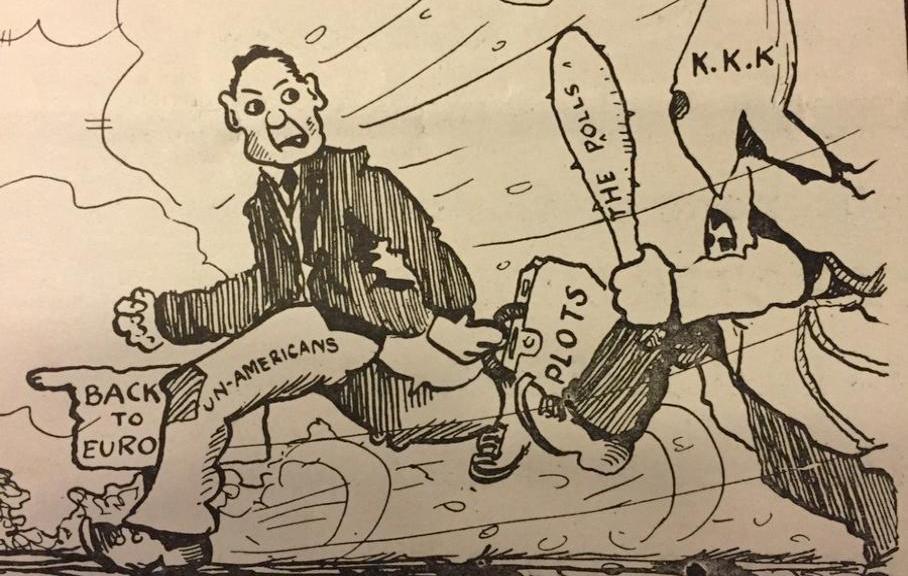
Labor Radicalism and Repression in the Woods of Maine
Few today would be surprised that the harshest repression following the confrontation in Greenville was not against the right-wing paramilitary organization but against members of the IWW.
The Future is Another Country
Few today would be surprised that the harshest repression following the confrontation in Greenville was not against the right-wing paramilitary organization but against members of the IWW.
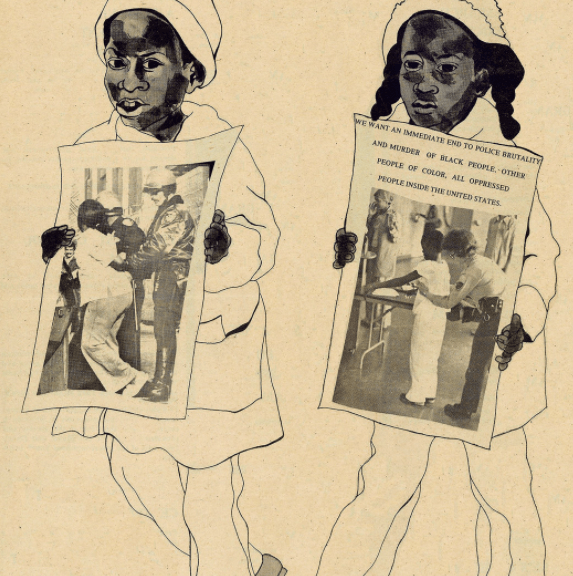
From the Jim Crow era to the present day, discrimination has obstructed equal access in attaining greater wealth and upward mobility for marginalized people.
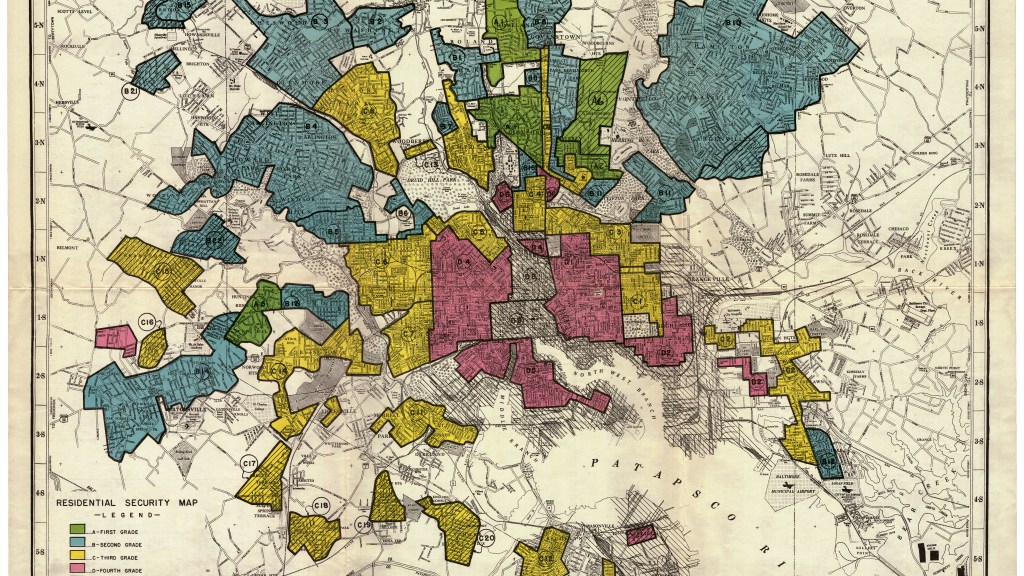
Top-down responses to food insecurity must be paired with strategies creating self-sustaining local food economies that lessen dependency on the ebbs and flows of the modern corporately controlled food system.
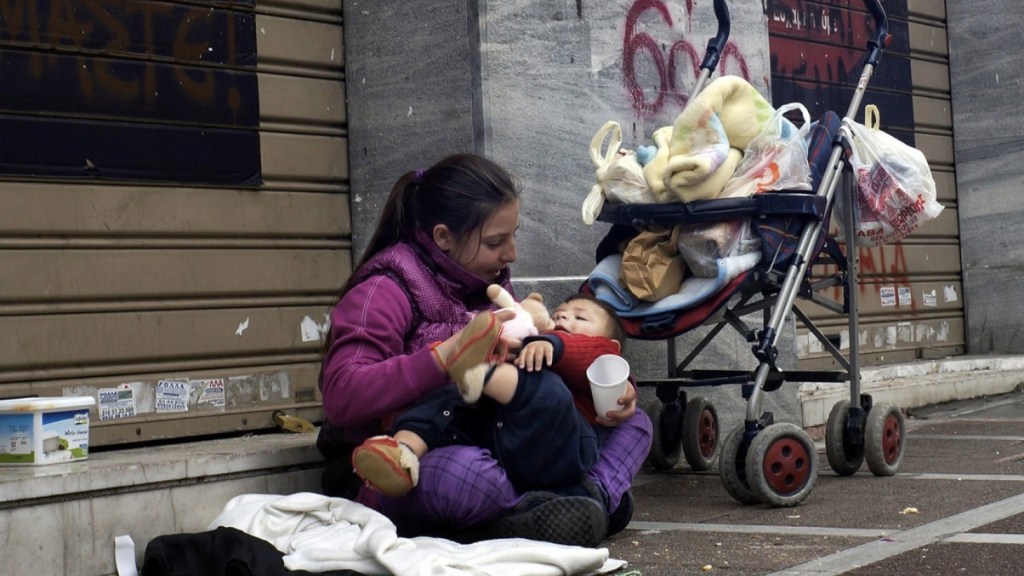
This is what we often overlook when we write about work: people exist beyond of systems of labor and exploitation.

The failure engendered in poverty is a collective one. It represents our willingness to accept a world where “the affluence of the few supposes the indigence of the many”—a world where those living east of the Anacostia are condemned to destitution and misery.

The Activist History Review invites article proposals for our October issue, “The Road to Charlottesville.”
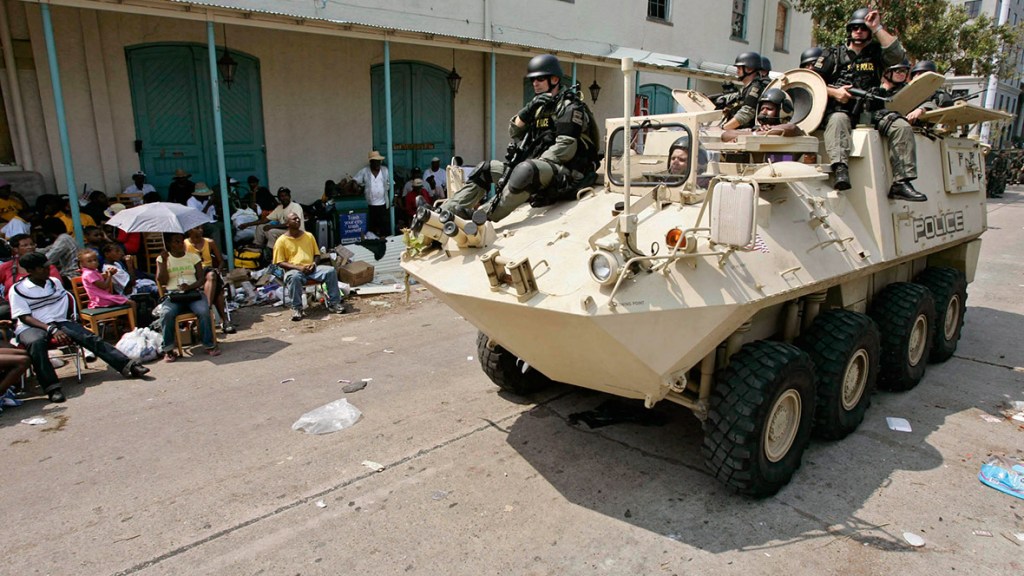
It may be a truism that the storm washed massive structural injustices into our collective view, but as a country, we seem to have rationalized them away.
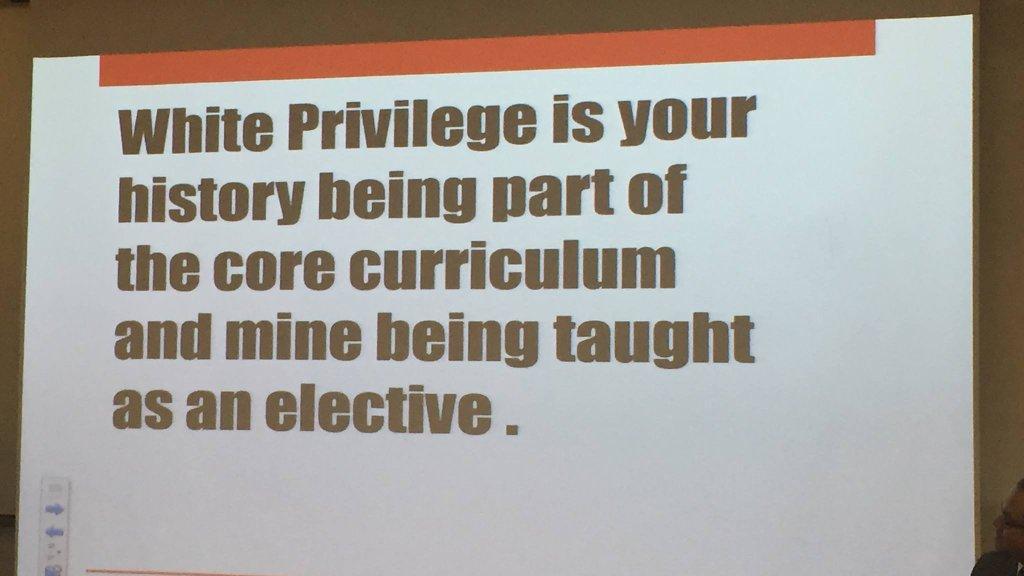
Education is political. Most educators stray away from that idea, but it is. In the curriculum and in the choices we make about what to teach and how to teach it, education is political. And, for the most part, our country’s curriculum is white.
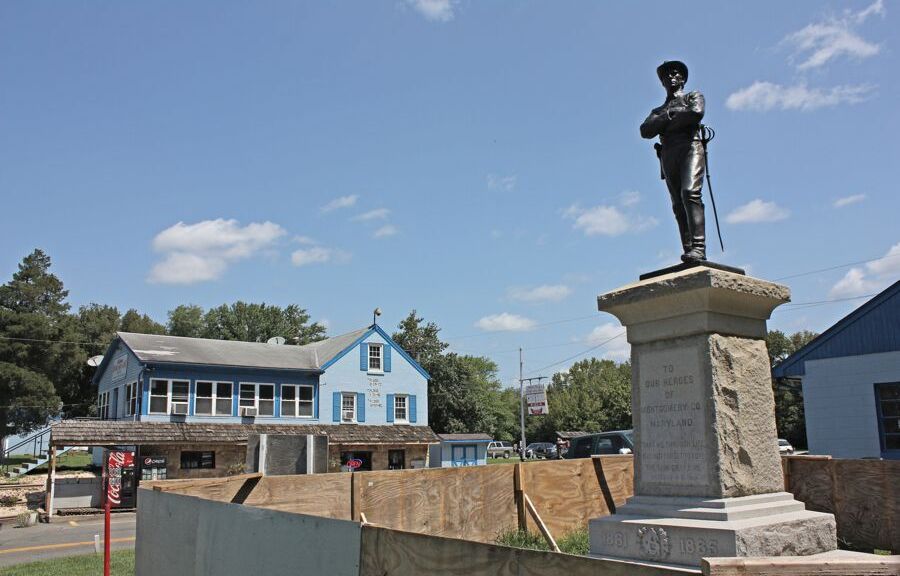
Removal without consideration of the historical context that led to their placement and the social wounds inflicted by white supremacy that are continually reopened in communities around the nation does nothing to resolve structural racism and heal those wounds.
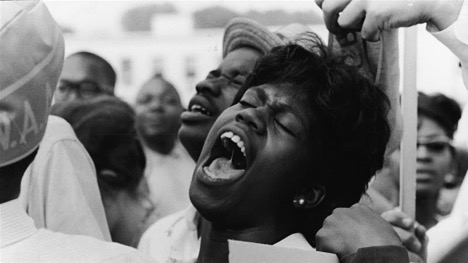
In a sense, I knew what I was getting into. I entered well-aware of the institutional, systemic norms that have precluded Black women from doing this work and creating knowledge that seeks to disrupt many of the corrupt, perverse, misguided myths about who we are and what we have done. My awareness, though, has not made my short journey less arduous.
Have a WordPress.com account? Log in now.

