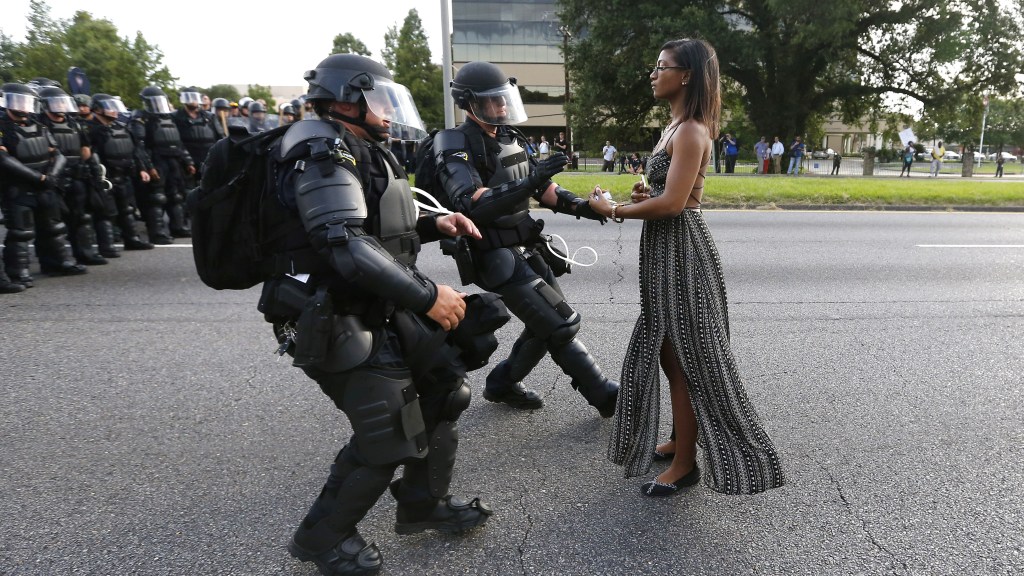
Legal Action Without Protest?
Maybe, through protest, we can create a government that acts on its own for justice. Maybe, through protest, we can make protest obsolete. Maybe.
The Future is Another Country
Maybe, through protest, we can create a government that acts on its own for justice. Maybe, through protest, we can make protest obsolete. Maybe.
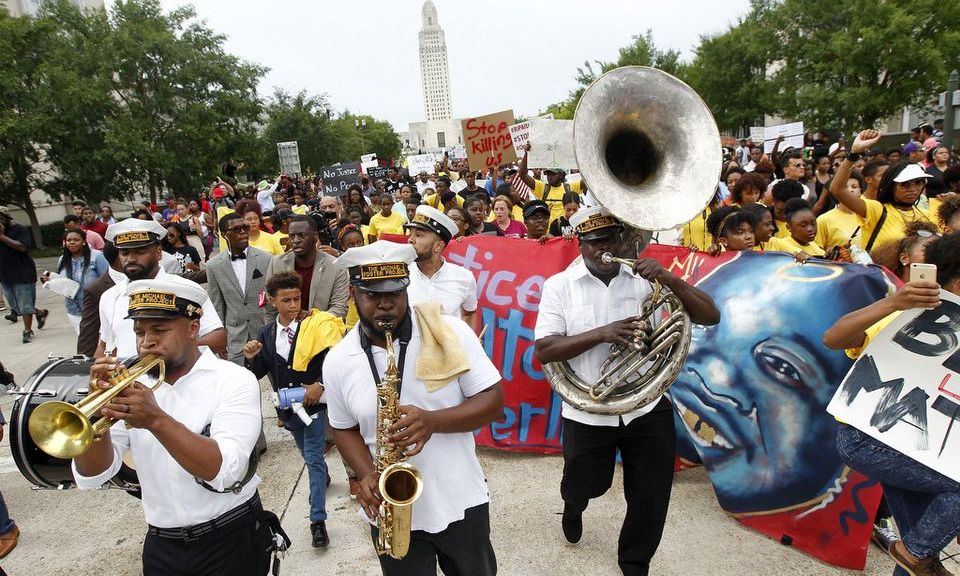
It is sad that it took such a tragedy to get our community to realize that our city has such a problem with racism—a problem our community has struggled with for generations. Fortunately, the solution is blossoming before our eyes.
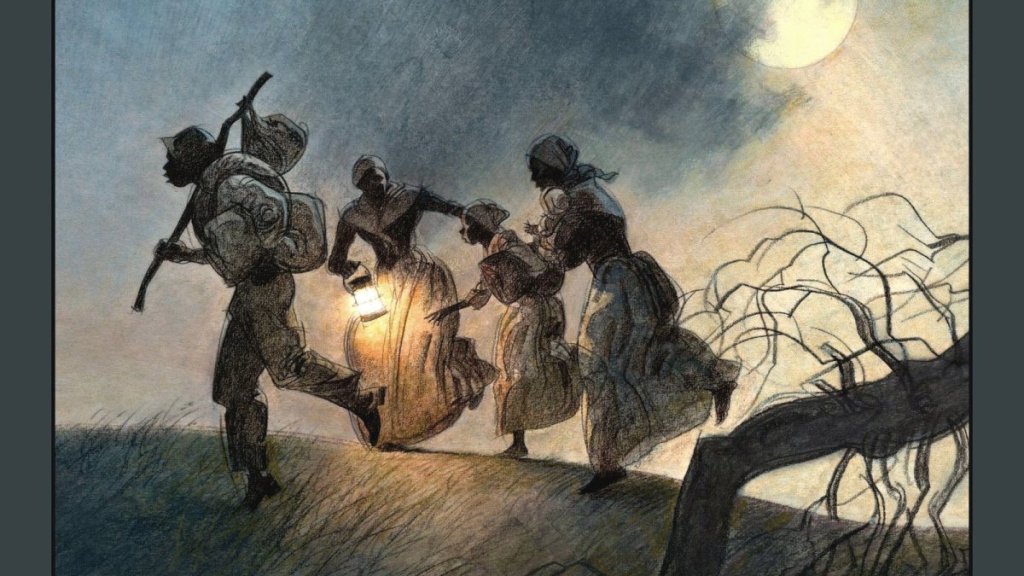
Activists have applied political pressure most effectively on the state and local levels. The fugitive slave crisis of the 1850s provides a historical roadmap for embracing formal politics as a means toward activist ends in the United States.
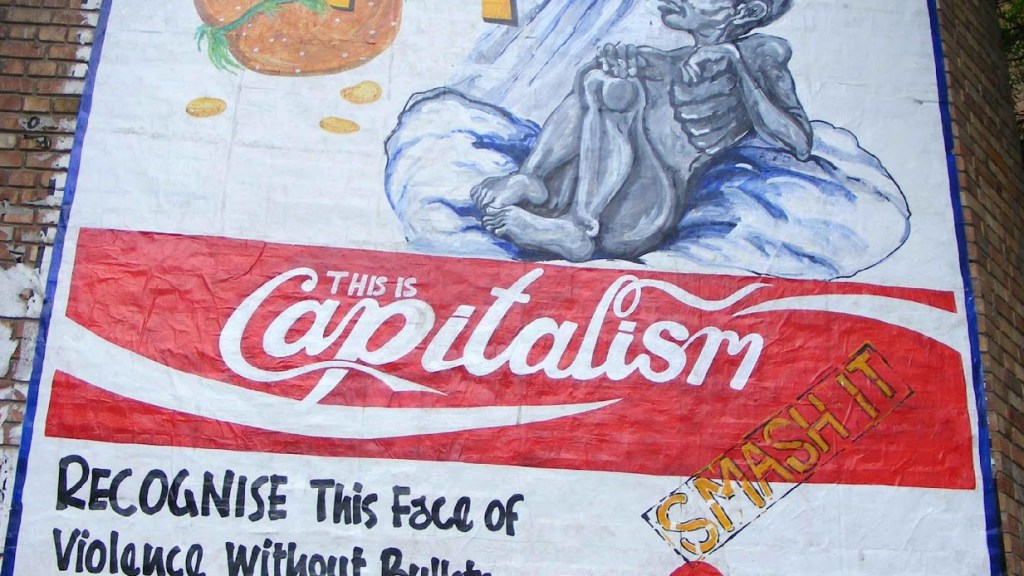
Handmade posters have been JNU’s defining feature for the past so many years and occupy a pride of place among other modes of resistance.
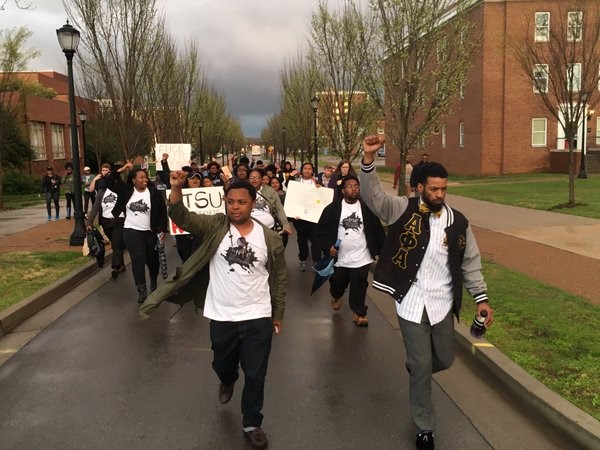
For fifty years, Middle Tennessee State University’s black students have protested the pervasiveness of the Confederacy on their campus. This is their story, from the past to the present.
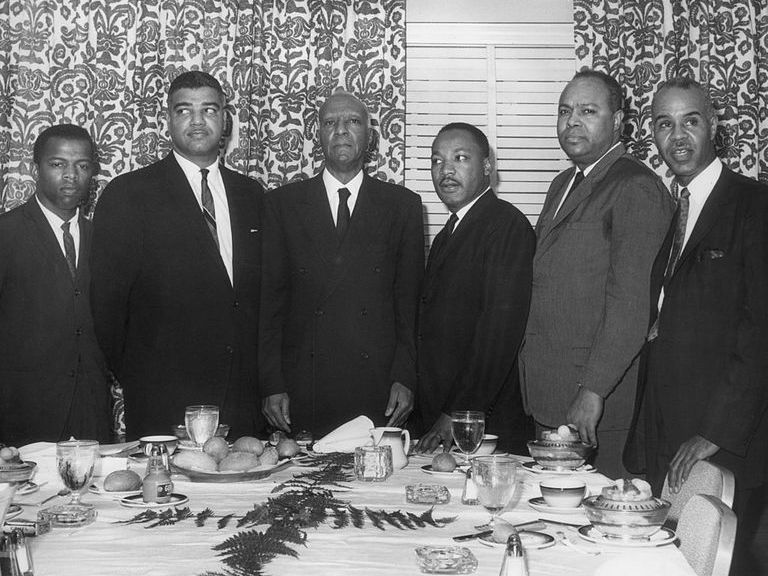
Recent efforts to weaken both public education and the Voting Rights Act show that it is time to try again.
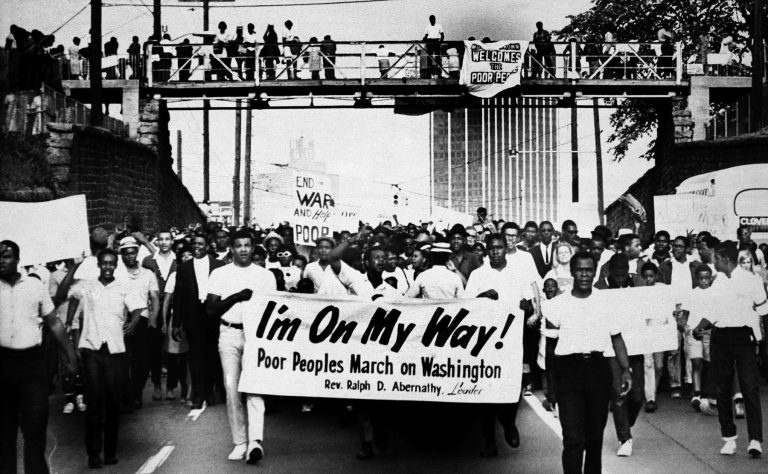
The Activist History Review invites proposals for our July 2018 issue, “Protest Summer.”

The Activist History Review invites proposals for articles that address the theme of “organized labor” to be featured in the November issue.
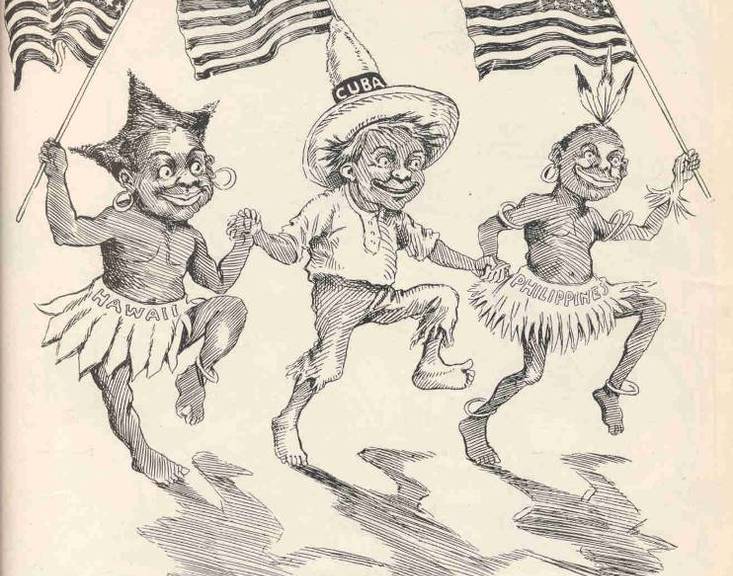
Today’s activists would be wise to take a page from history and use the Fourth of July holiday to illuminate the ways in which American society is becoming ever more unequal.
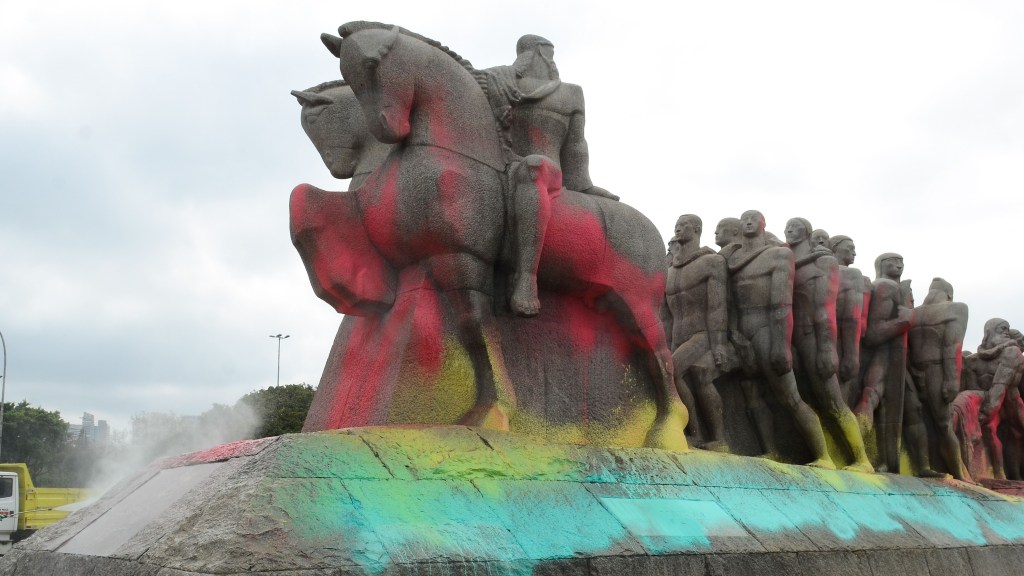
The removal of monuments in New Orleans has captured national attention, with reports of tempers flaring and tensions rising among protestors and counter-protestors in one of the country’s most historically and culturally significant cities.

 The Activist History Review