
Call for Contributors for September 2018 Issue, “The Education of a Nation”
The Activist History Review invites proposals for our September 2018 issue, “The Education of a Nation.”
The Future is Another Country
The Activist History Review invites proposals for our September 2018 issue, “The Education of a Nation.”
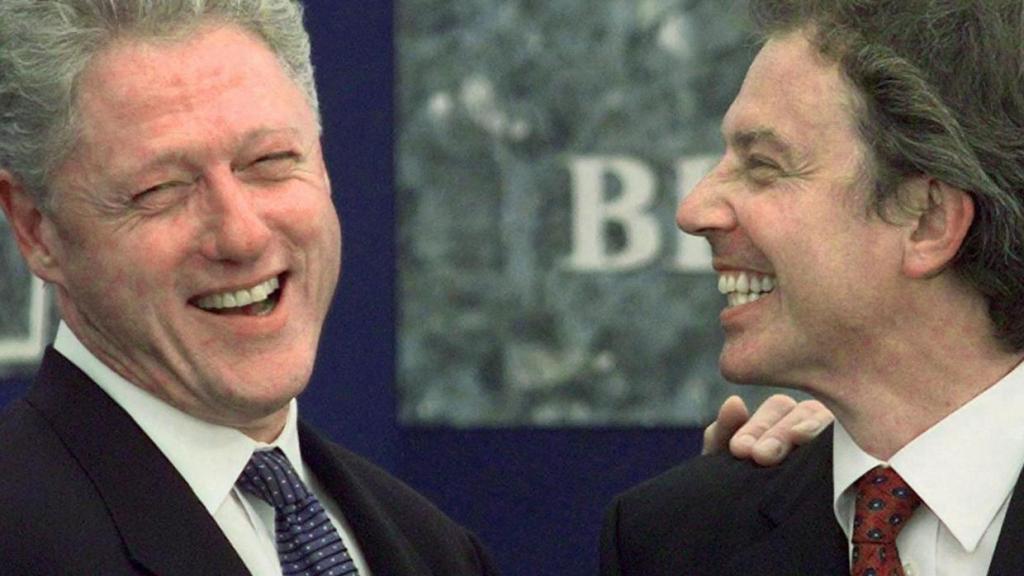
Neoliberalism is an incredibly complex system of political economy and there are many more questions to answer. Still, as the contributors all brought up this month, historians have an important role in deconstructing an abusive market system.

Our work as historians involves studying prior forms of exploitation, abuse, and inequality. Doing this work, we believe, requires that we struggle against their iterations in the present.

White children who were taught history lessons including information about racism experienced by African Americans demonstrated less biased attitudes toward African Americans than their white counterparts who received otherwise identical lessons that omitted those ‘pessimistic, unpatriotic’ teachings.
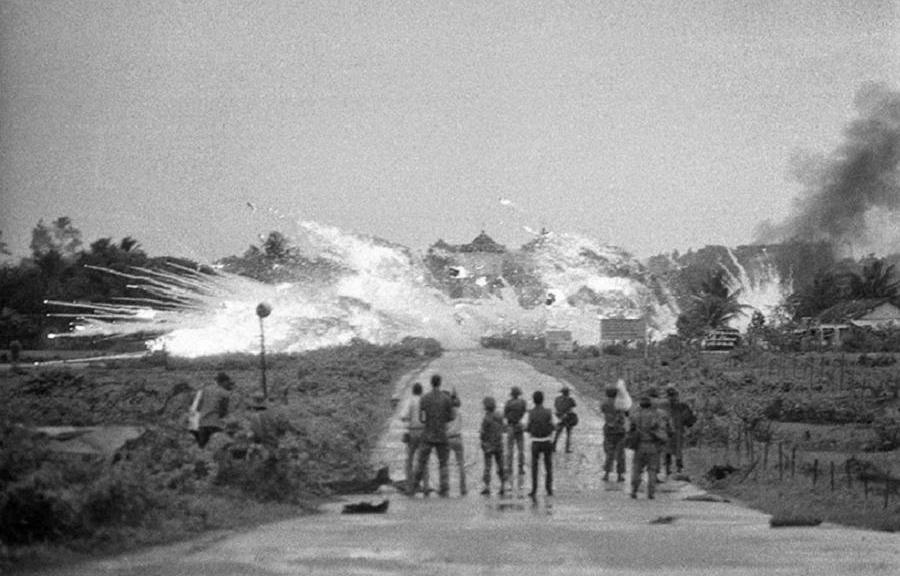
Perhaps not surprising, The American Vision is not one to focus on government malfeasance. The Vietnam War chapter in particular is open to this criticism.
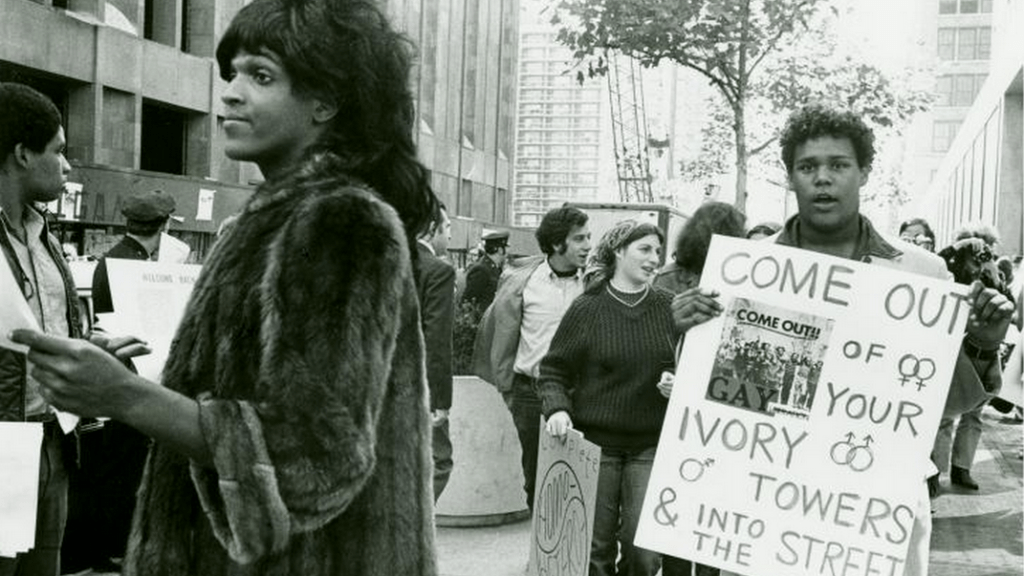
I realized that I was attracted to women when I was 22-years-old. When it finally clicked, I remember thinking, this is what it is supposed to feel like.
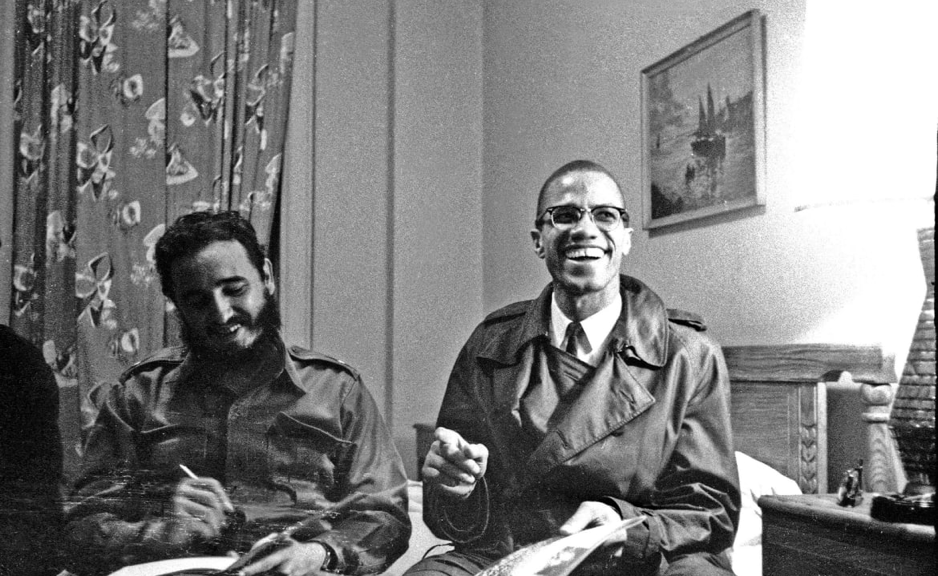
Writing a comprehensive global history of the post-1945 world is a daunting task. Unit 5 “Toward a Global Civilization” of Jackson Spielvogel’s textbook World History: Modern Times grapples with this difficult assignment through five chapters, yet without much success.
Unit 7 of The American Vision, “Global Struggles,” covers the period from 1941 to 1960, providing an overview of the decades’ important events and issues that improves greatly upon the triumphalist Cold War textbooks that I remember reading as a teenager.
One of the main problems with Spielvogel’s World History: Modern Times is a lack of balance. Unit four of the textbook focuses on the 31-year period from 1914-1945. Within this densely-packed unit, three of the four chapters focus primarily on Europe. The rest of the world, including the United States (surprisingly) is discussed briefly, if at all.
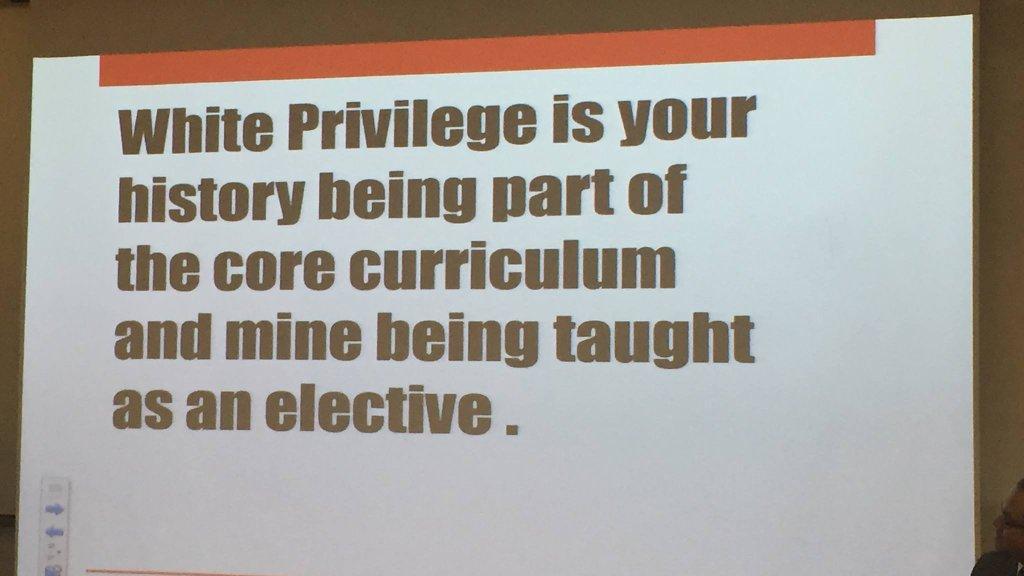
Education is political. Most educators stray away from that idea, but it is. In the curriculum and in the choices we make about what to teach and how to teach it, education is political. And, for the most part, our country’s curriculum is white.

 The Activist History Review