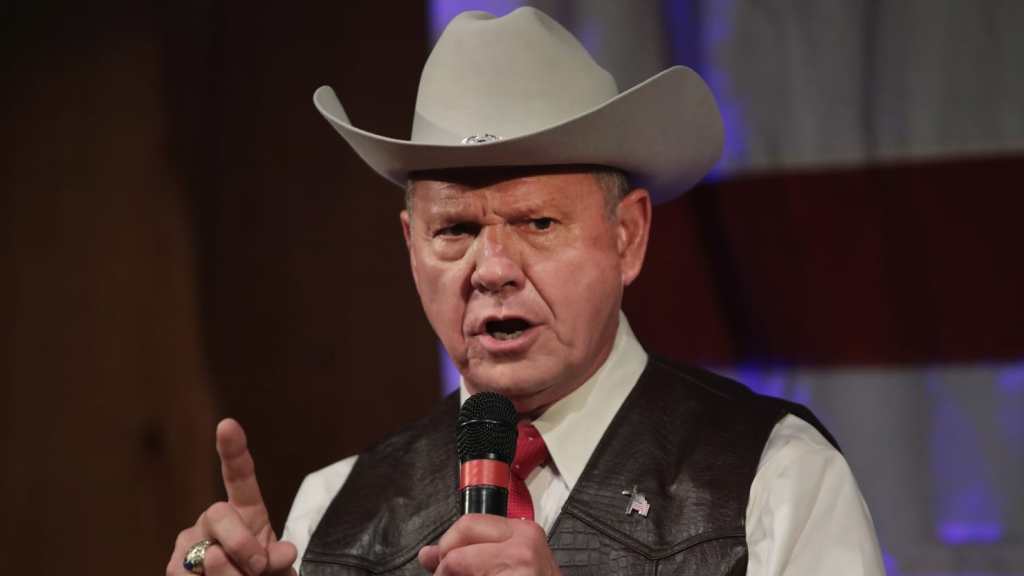
Call for Contributors for January 2018 issue “From Weinstein to Moore”
The Activist History Review invites article proposals for our January issue, “From Weinstein to Moore: Sexual Predation in American Culture.”
The Future is Another Country
The Activist History Review invites article proposals for our January issue, “From Weinstein to Moore: Sexual Predation in American Culture.”
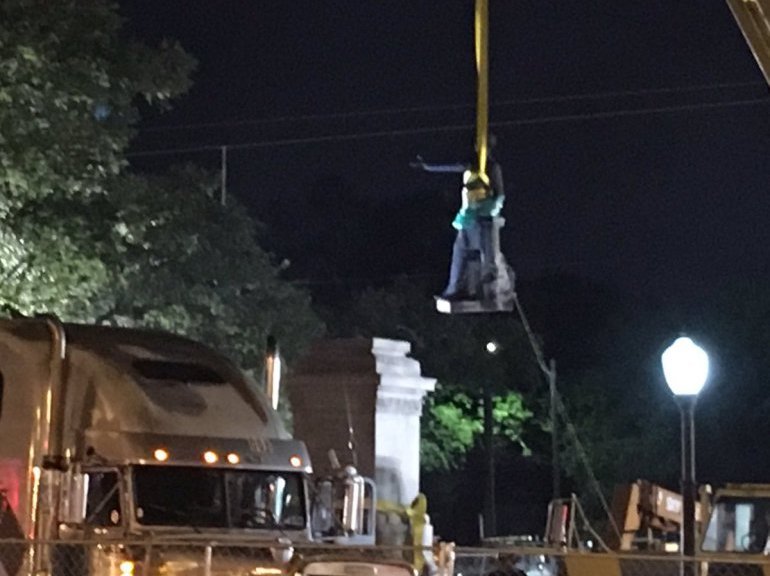
The commemoration of war has often, as in the case of Charlottesville, been used to bind together the sinews of power. The three articles in this series seek to explore avenues in the other direction, commemorating war as a means of bending the arc of history toward justice. As their authors suggest, changing the way we remember war has the potential to fundamentally rework our understandings of both the past and present. In the process, we may find new opportunities to foster more equitable approaches to our shared history and society.
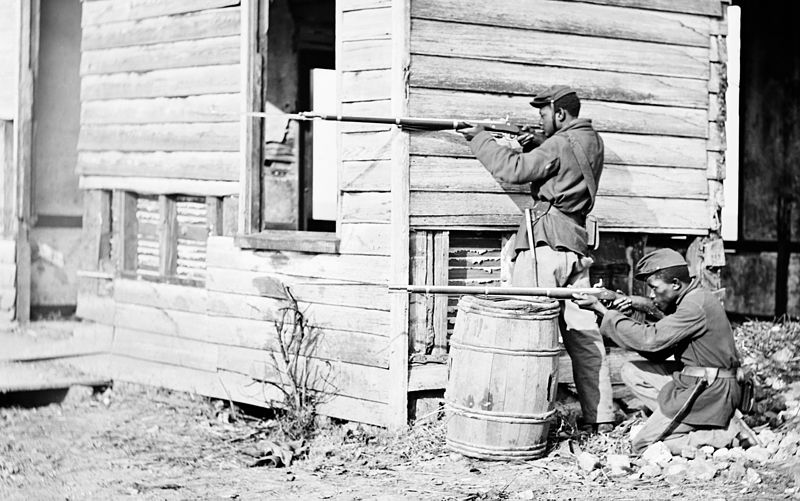
There are self-sacrificing military figures in the past who have upheld ideals that even someone left of the Democratic Party might find palatable.
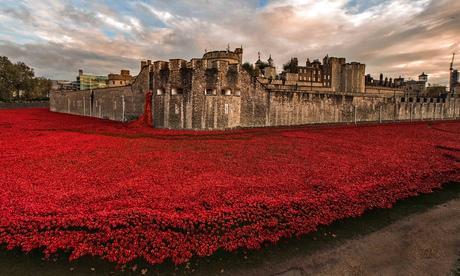
Amidst controversies surrounding increasing veteran suicide rates, presidential conduct towards war widows, and the seemingly never-ending conflicts in the Middle East, it seems like the opportune moment to push aside the politics and to take time to reflect on the sacrifices members of the armed services and their families have made to protect the democratic practices and ideas we hold as key to our American identity.
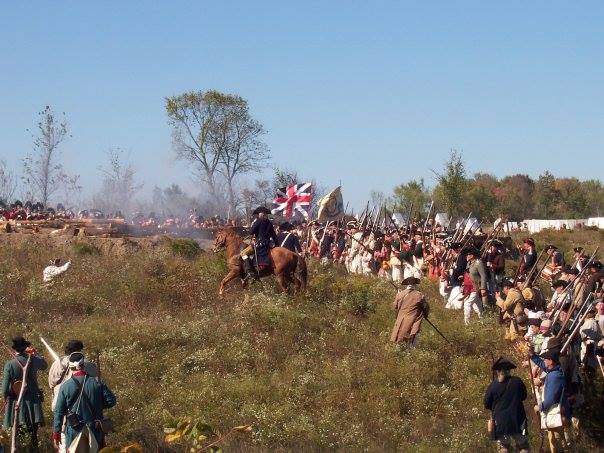
Reenacting can do what no other form of education can do: it can engage both the body and mind.
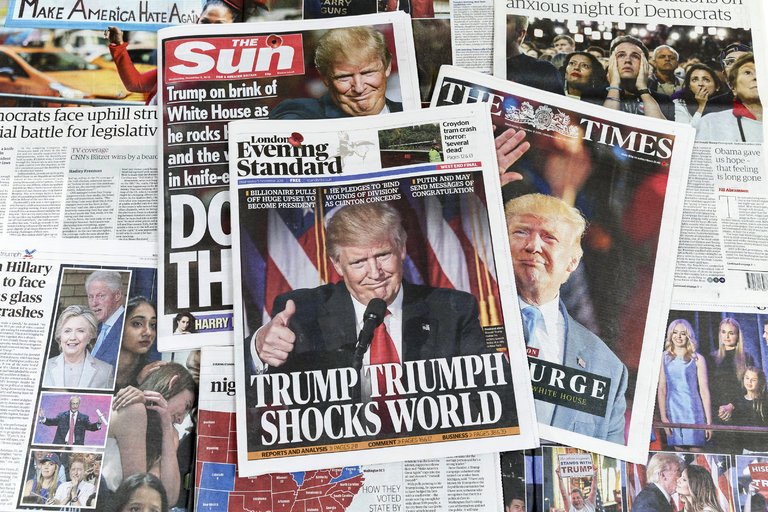
The two articles in this series offer a glimpse into the efforts some of us have made to resist the worst excesses of his presidency, and the role history has played in shaping our responses. As historians, we have an obligation to speak truth. As citizens, we have an obligation to speak truth to power. This series documents both.

The dark night that he sailed to victory, I knew that I wanted to contribute my time, skills, and resources to protect our civil and Constitutional rights from the demagoguery and heightened racism and bigotry of all stripes that a Trump presidency threatened.

While the impact of the United Farm Workers is perhaps not as strongly felt in the twenty-first century as it might be, its pedagogical relevance makes it perhaps more significant now than ever.
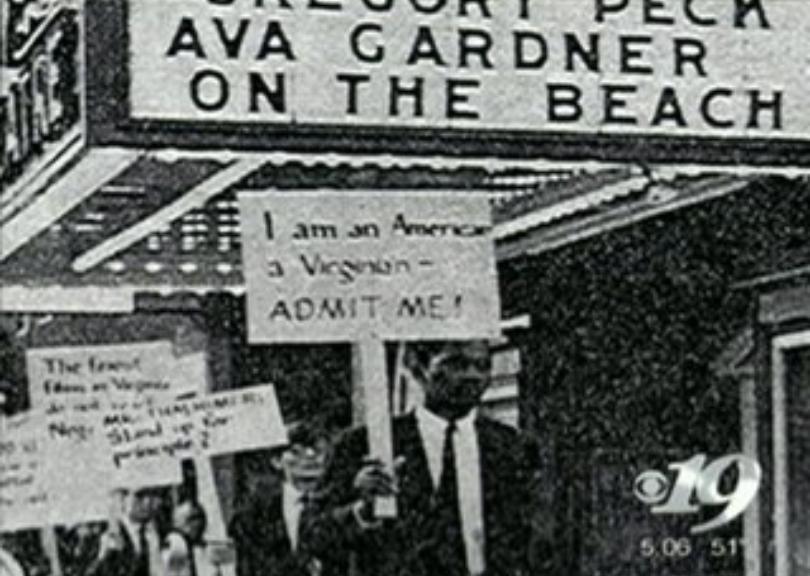
Whatever the demographic make-up of these groups of agitators, the overarching idea that communal protests and battles over white supremacy and race are anathema to Charlottesville could not be further from the truth.
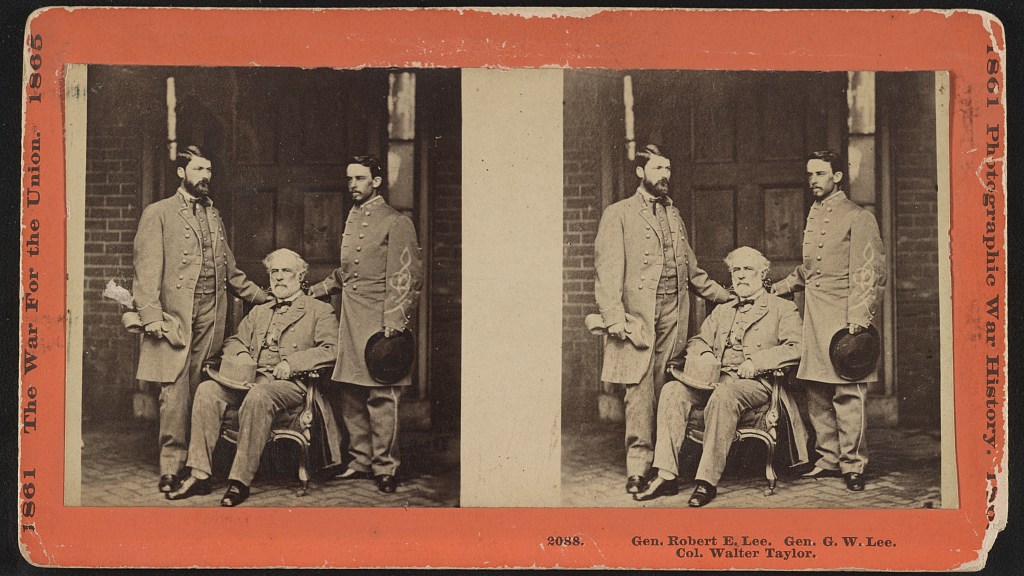
White Americans have appropriated and closely guard what used to be a typically southern variant of U.S. history to protect their privilege. The current political climate in the United States seems to be congenial to these kinds of defense.

 The Activist History Review