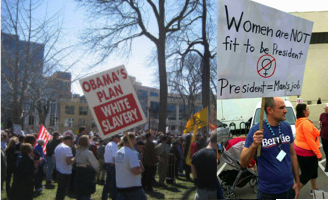
This Really Is Your America
From the announcement of his candidacy in 2015 to his victory on election night a year later, many (particularly white liberals) viewed Donald Trump’s ascent to the presidency with a sense of steadily growing disbelief.
The Future is Another Country
From the announcement of his candidacy in 2015 to his victory on election night a year later, many (particularly white liberals) viewed Donald Trump’s ascent to the presidency with a sense of steadily growing disbelief.
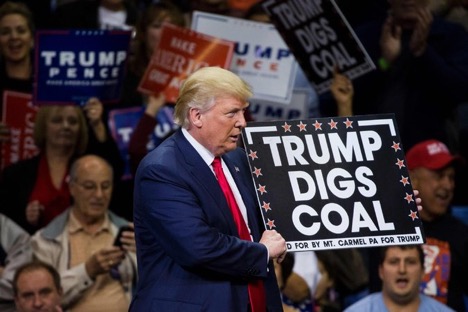
As Americans, we love our history, and in that sense, President Trump is no different. Oftentimes, however, his passion for America’s past makes it difficult for him to convey his vision for an American future.

As a young and hopeful historian, one thing I am commonly asked by friends and family is whether or not their favorite historical drama or “period piece” is “historically accurate.”
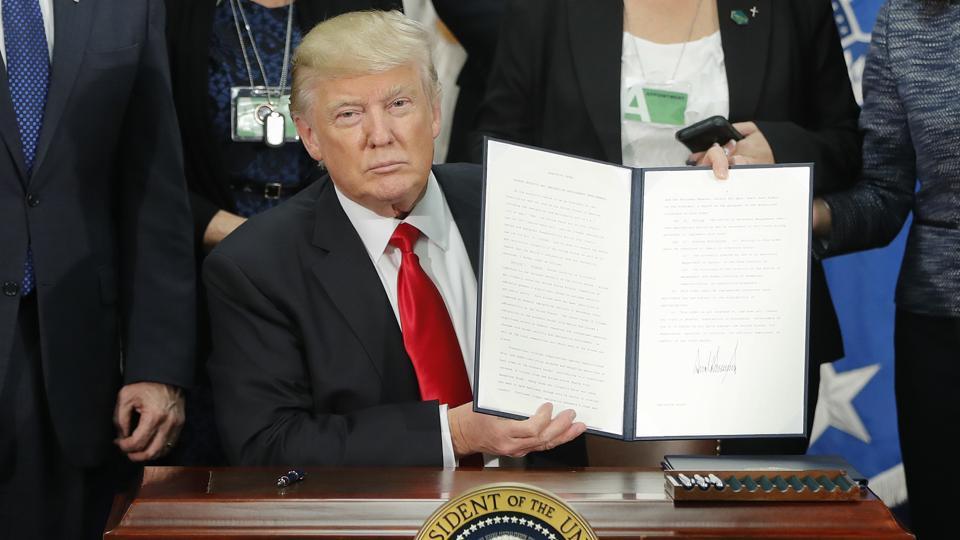
In his first inaugural address, Abraham Lincoln tried to calm the fears of his political opponents: “While the people retain their virtue and vigilance no Administration by any extreme of wickedness or folly can very seriously injure the Government in the short space of four years.”

In the December 5, 2016 issue of The Atlantic, journalist Emma Green wondered “Are Jews White?” This is a question that seems to be quite simple – very few people in the United States in 2017 would consider Jews to be members of a minority group, at least not anymore.
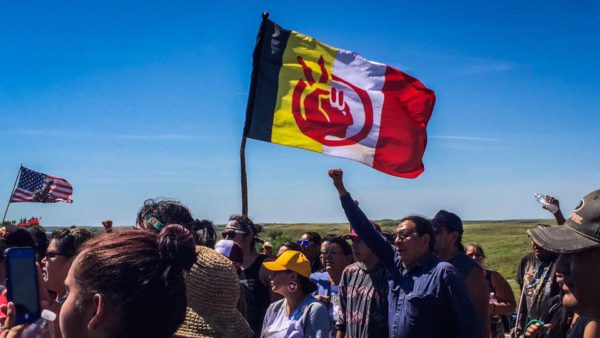
When the water protectors (or, if you support the Dakota Access Pipeline, protesters, rioters, and troublemakers) formed the Sacred Stone Camp in April, they faced an insurmountable challenge: a semi-built, big corporation and bank backed, stakeholder supported “black snake” (or, if you support Dakota Access, pipeline) that was slowly creeping underneath their land and near their water source.

Everyone involved in TAHR is dedicated to a simple principle: that the past is relevant to the present. We hail from a wide variety of personal, political, intellectual, and disciplinary backgrounds both in and out of academia. The issues of today were formed historically, and the only appropriate solutions to those issues are ones informed by a comprehensive understanding of how they came to be.

As the death of Obamacare looms like a grim reaper over so many of us with preexisting conditions, lower incomes, or non-traditional forms of employment (Uber, anyone?), it seems worthwhile to examine some the primary obstacles to public acceptance of the Affordable Care Act (ACA/Obamacare).

 The Activist History Review