
Erasure is a Slippery Slope
There is a narrative of racism that permeates all of Decatur, Georgia that goes much deeper than a stone monument.
The Future is Another Country
There is a narrative of racism that permeates all of Decatur, Georgia that goes much deeper than a stone monument.

The objectification of women is not a new occurrence. Yet when Black women are objectified, those who are routinely shocked and appalled seem to fall silent.

No matter how divided the country is today, no matter the defeats of the past several years, there remains room to be both grateful and vigilant.
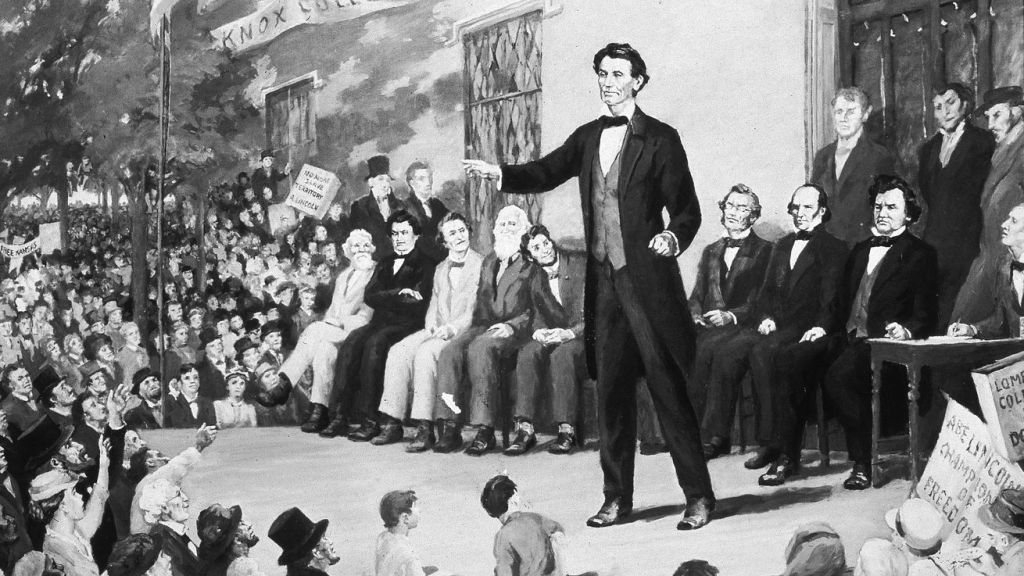
White backlash was never limited to the southern states. Vast and sudden changes after 1865—especially implied by the prospect of emancipating four million black people—stirred ugly counterattacks and racial backlash against the nation’s free black northern population.
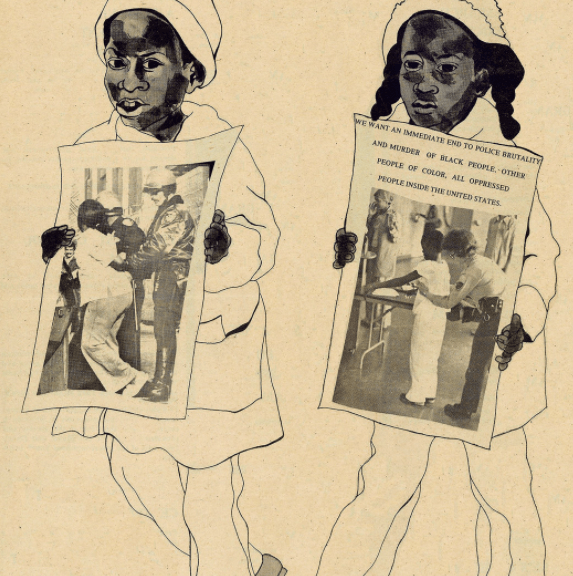
From the Jim Crow era to the present day, discrimination has obstructed equal access in attaining greater wealth and upward mobility for marginalized people.

From the start, [this unit] evokes a ‘west and the rest’ mentality and approach to world history. It also places significant emphasis on the history of the United States, which although is never truly categorized as an empire, tends to receive more attention in the textbook than other colonized areas.
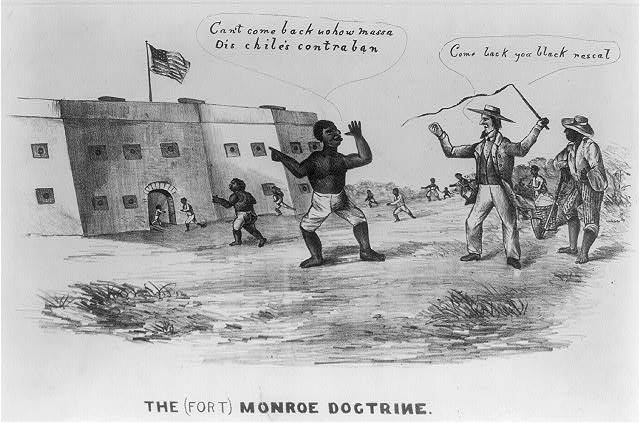
The unit maintains the standard politico-centric narrative traditional to the Civil War era. Published in 2010, this narrative arc ignores or underemphasizes intriguing historiographic contributions exploring such issues as social changes on the home front, the divided nature of Southern society, and the significance of guerrilla warfare, especially along the border between North and South.
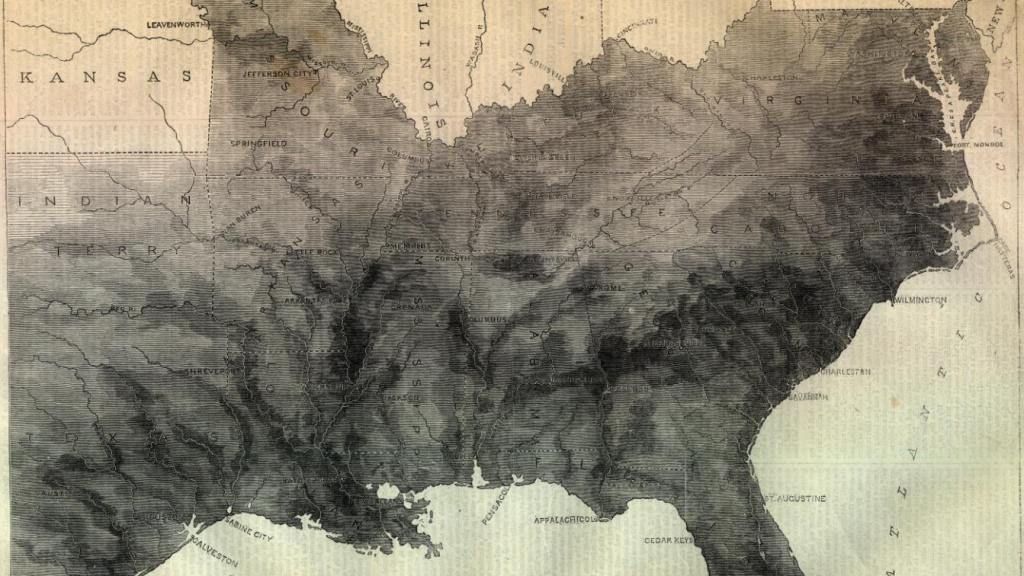
Unit 2 adheres chiefly to the traditional narrative of U.S. history, moving from the First Party System through national development before ending with “Manifest Destiny”—a euphemism for colonialism that has long overstayed its welcome yet remains at home here.

This unit does not ask questions of the materials it includes that would provide a greater voice for disenfranchised communities like women, Native Americans, and African Americans.
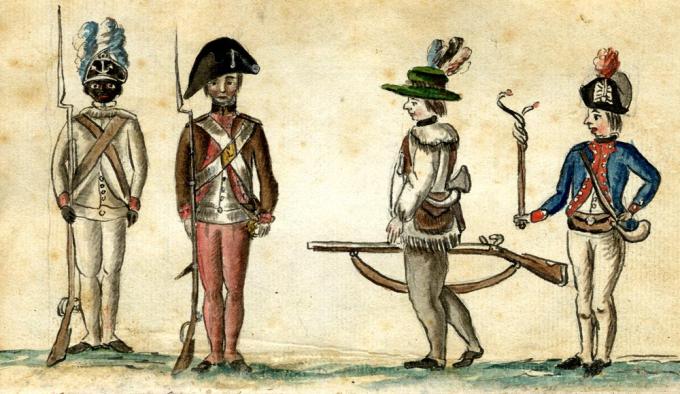
These scholars have forced historians of all persuasions to take slave flight seriously. The historical canon will be better for it.

 The Activist History Review