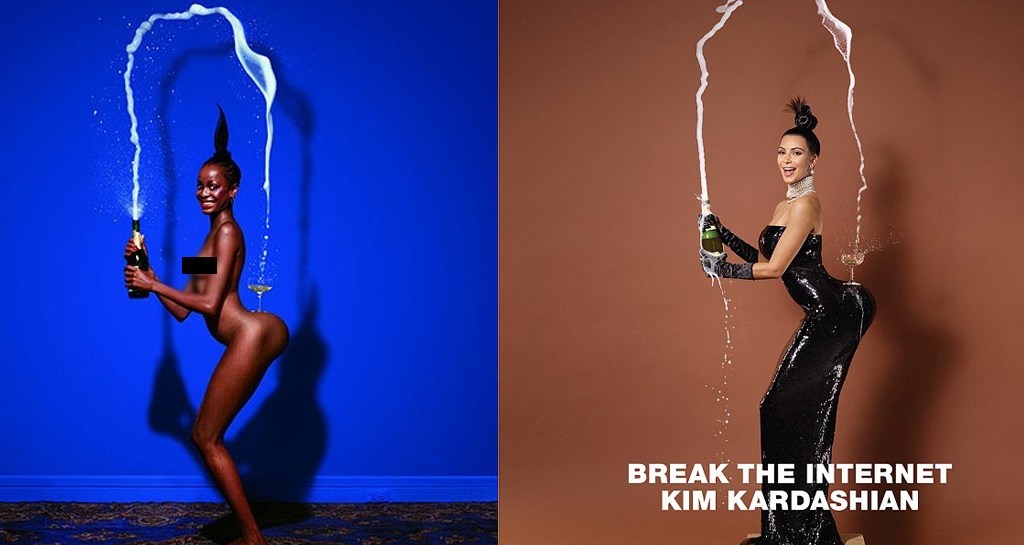
Business As Usual: The Objectification of Black Women in America’s Sexual Predation Culture
The objectification of women is not a new occurrence. Yet when Black women are objectified, those who are routinely shocked and appalled seem to fall silent.
The Future is Another Country
The objectification of women is not a new occurrence. Yet when Black women are objectified, those who are routinely shocked and appalled seem to fall silent.
When the Harvey Weinstein scandal broke, it seemed that almost every day brought another survivor with their own accusations, their own story. The Martins investigation has sparked no such watershed, or at least not yet.
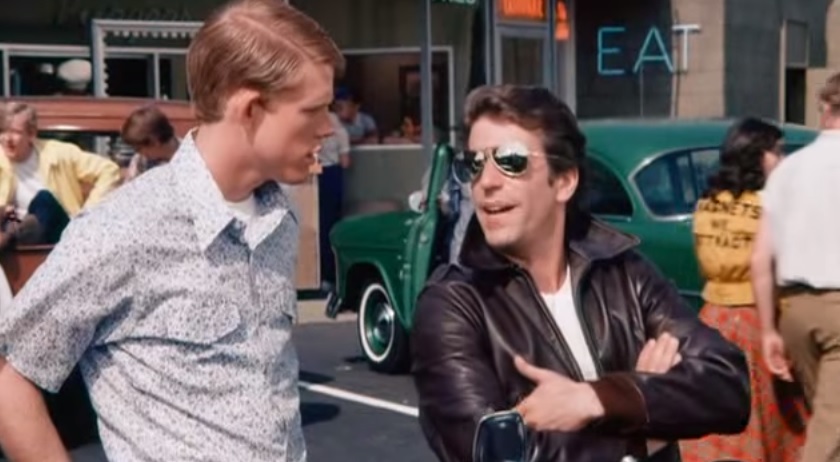
It is impossible to ignore how television heroes and stories have described our society. They blur the line between fantasy and reality, revealing much about us through who we admire and aspire to become.
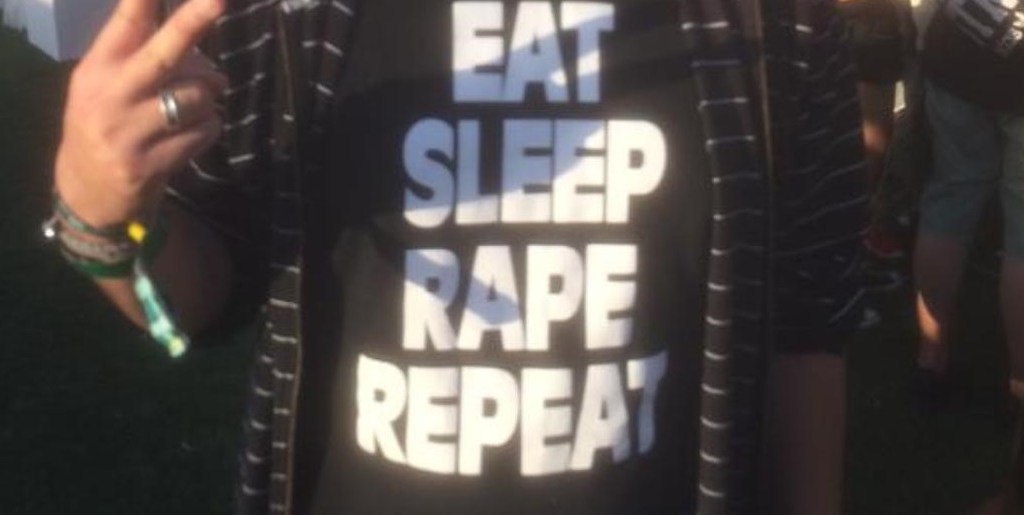
Esquire suggests that men are destined to incur sexually aggressive feelings at music festivals. But if they simply dress and act in a way that will attract female attention, it will ensure an Esquire man gets (consensually) laid.
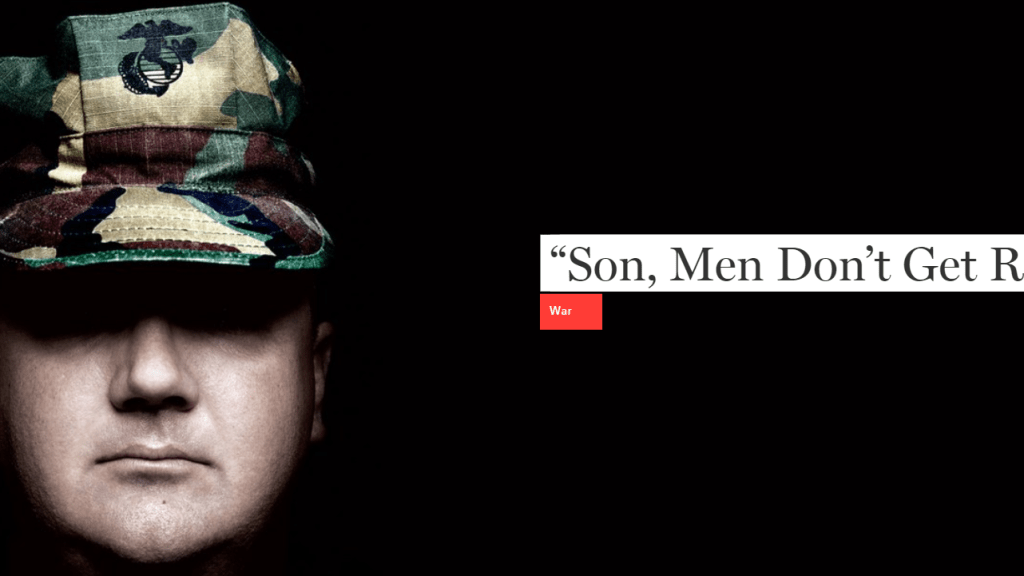
Men may feel shame that they should have been stronger and able to fight off the perpetrator. These feelings hinder the survivor’s ability to seek out support or services they may need after an assault.

By the time I left Huntington, I was well known for my outspoken activism related to sexual violence. My first rapist’s name was synonymous with my own, tied to the places he worked and the people who shielded him.

The Activist History Review invites article proposals for our January issue, “From Weinstein to Moore: Sexual Predation in American Culture.”

 The Activist History Review