
Alpha-Males, Underdogs and New Men: Masculinity in Animated Films
Leading animation studios too often fail to rewrite some of the hypermasculine, destructive scripts that dominate popular culture.
The Future is Another Country
Leading animation studios too often fail to rewrite some of the hypermasculine, destructive scripts that dominate popular culture.

The Activist History Review seeks articles on the historical and present-day construction of masculinity in the United States and its significance for politics, society, economics, and culture.
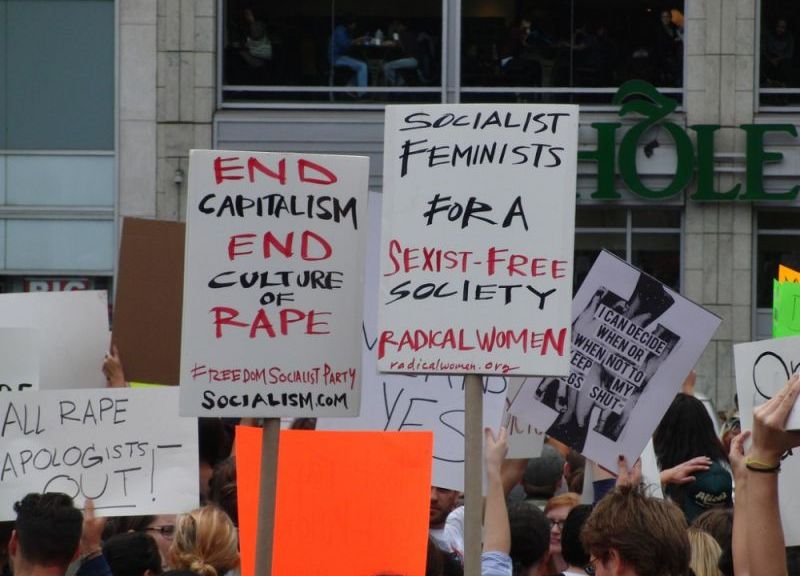
While Democrats are banking on the support of women and trying to make sure that women vote, the left has its own issues with gender that it struggles to deal with. Underneath the surface level performative support for #metoo, however, gender based harassment and discrimination is not only a right wing issue.
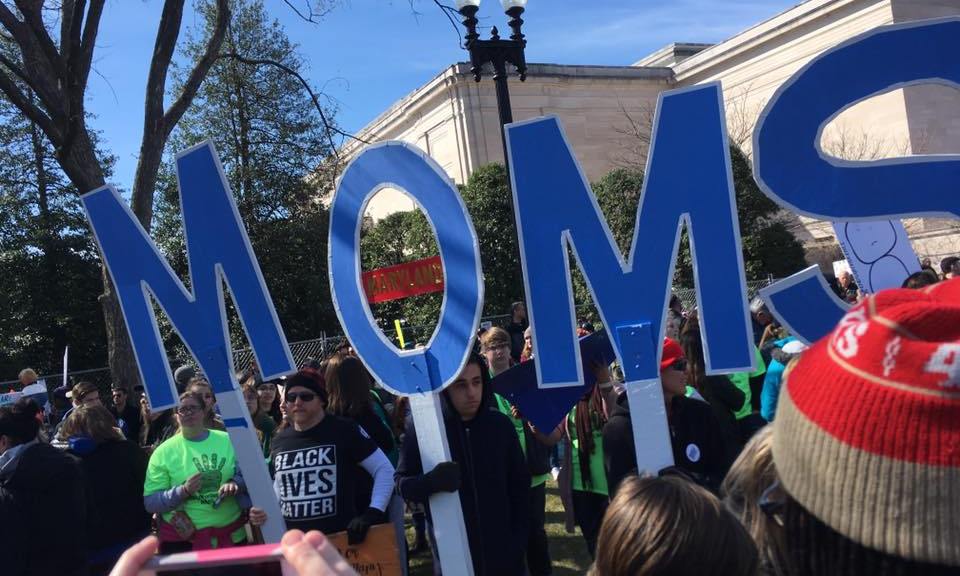
Moms Demand Action models itself after Mothers Against Drunk Driving. But to claim an inheritance from MADD is to also lay claim to their particular white suburban praxis, where the theoretically race-neutral title of “mother” works to mobilize women around the deaths of white children.

We must cast a critical eye toward the diversity conversation within the tech industry as it impacts who’s employed in that industry, the types of products they produce, who writes about those products, who those products are made for, and who benefits from those products.
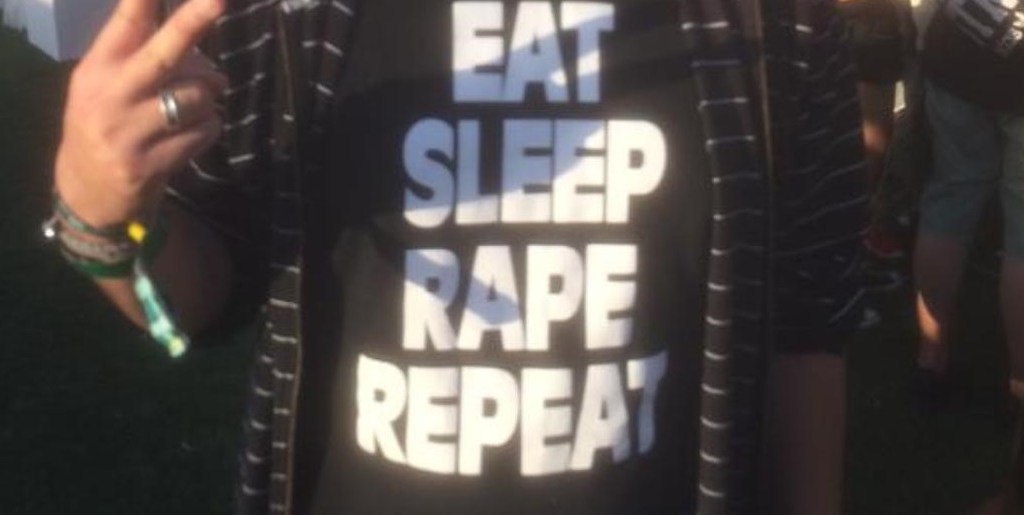
Esquire suggests that men are destined to incur sexually aggressive feelings at music festivals. But if they simply dress and act in a way that will attract female attention, it will ensure an Esquire man gets (consensually) laid.
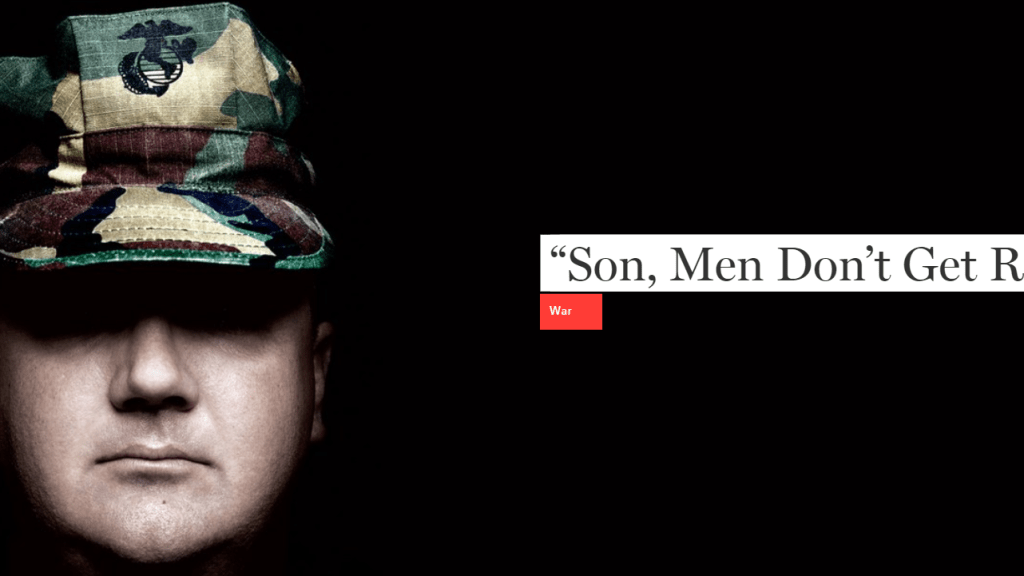
Men may feel shame that they should have been stronger and able to fight off the perpetrator. These feelings hinder the survivor’s ability to seek out support or services they may need after an assault.
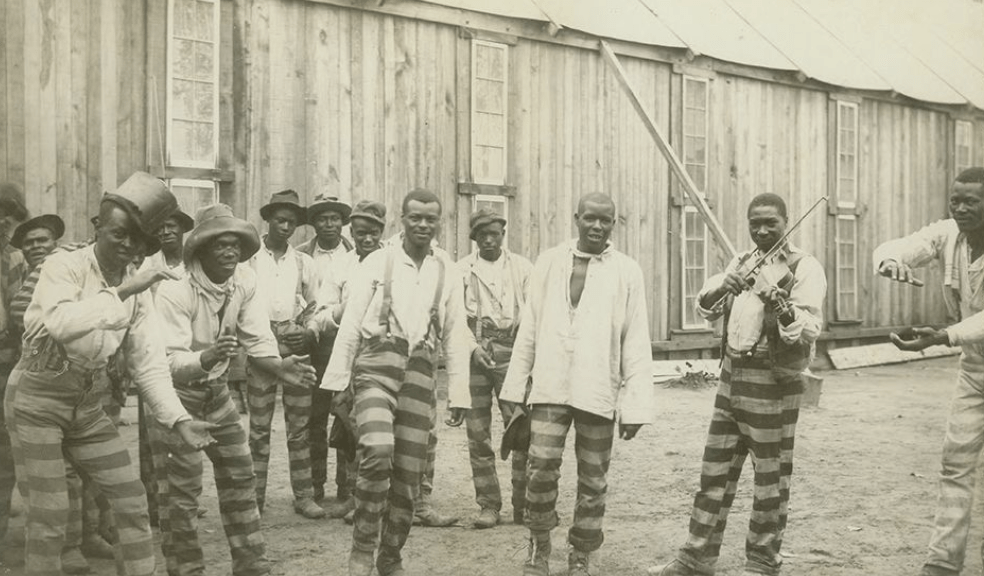
As we occupy a world of increasing plenty, we must concede that the way we distribute resources is a choice. We choose to let our fellow Americans in Puerto Rico starve. That is our collective failure, not theirs.
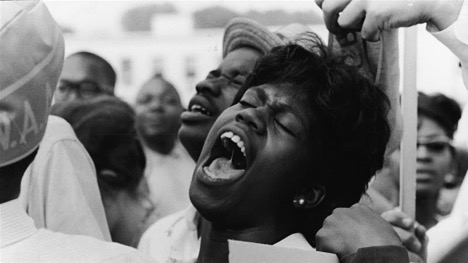
In a sense, I knew what I was getting into. I entered well-aware of the institutional, systemic norms that have precluded Black women from doing this work and creating knowledge that seeks to disrupt many of the corrupt, perverse, misguided myths about who we are and what we have done. My awareness, though, has not made my short journey less arduous.

As part of our special issue on “education” for the month of August, The Activist History Review would like to introduce a multi-part series on the experiences of academics from marginalized communities.

 The Activist History Review