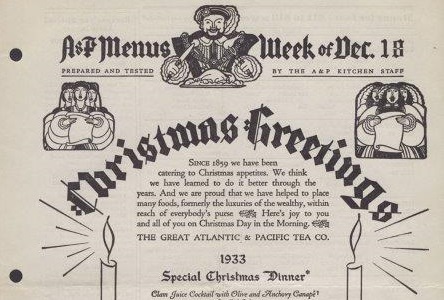
The Business of Holiday Meals
Corporate cookbooks show not only how prior generations of cooks approached the holiday meal, but also how it was shaped by the forces of urban capitalism that continue to inform our holiday tastes and desires.
The Future is Another Country
Corporate cookbooks show not only how prior generations of cooks approached the holiday meal, but also how it was shaped by the forces of urban capitalism that continue to inform our holiday tastes and desires.

Understanding Festivus means understanding that the episode and later celebrations were a rejection of both religion and capitalism in a media form that was also increasingly capitalist.

Through the process of assimilation, Hanukkah ultimately took its place alongside Christmas in the pantheon of American consumerism.
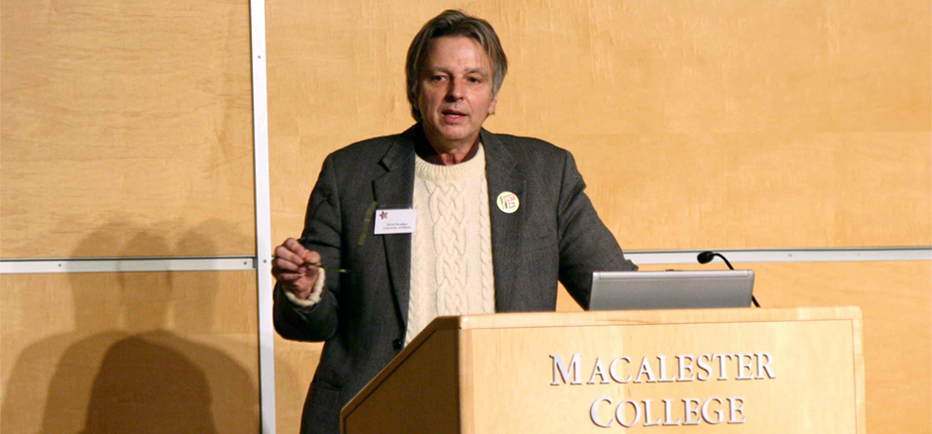
Roediger asks us as readers to consider what privilege means in an era where everyone is struggling.
As we occupy a world of increasing plenty, we must concede that the way we distribute resources is a choice. We choose to let our fellow Americans in Puerto Rico starve. That is our collective failure, not theirs.
Top-down responses to food insecurity must be paired with strategies creating self-sustaining local food economies that lessen dependency on the ebbs and flows of the modern corporately controlled food system.
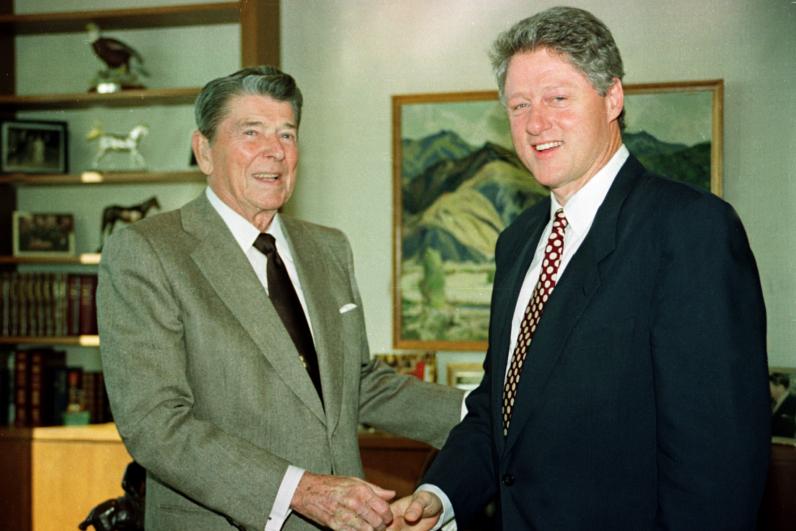
The social safety-net afforded white, middle class boomers access to relative comfort. However, by middle and old age, boomers began supporting hard right-wing politicians such as Ronald Reagan, who made it their goal to destroy the welfare system that had bolstered them to middle-class status.

Underserving of merit in any other way, Donald Trump’s overweening emphasis on his financial success is an effective way to establish social dominance and gain power from individuals who consider wealth the ultimate “accomplishment.”
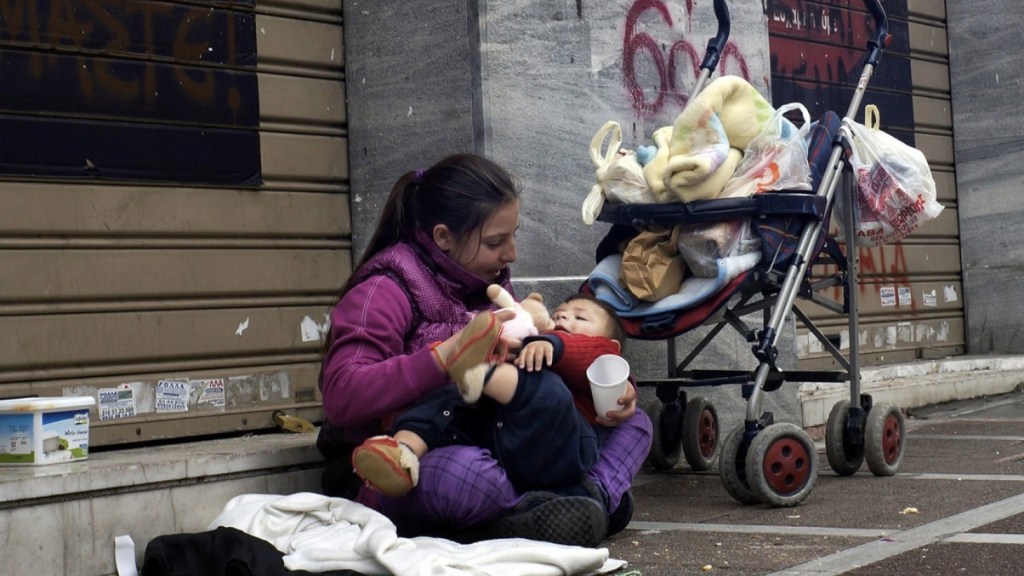
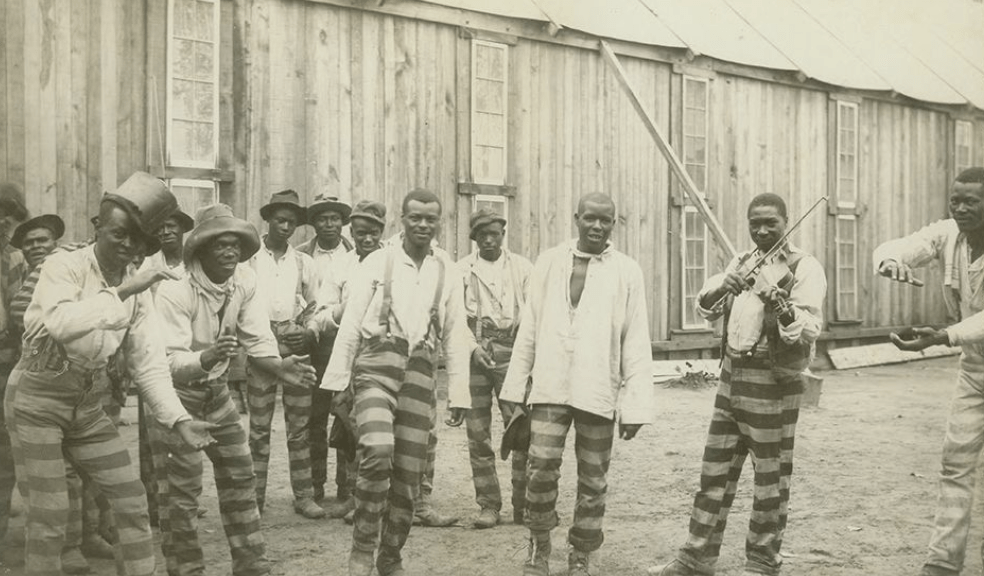
This is what we often overlook when we write about work: people exist beyond of systems of labor and exploitation.

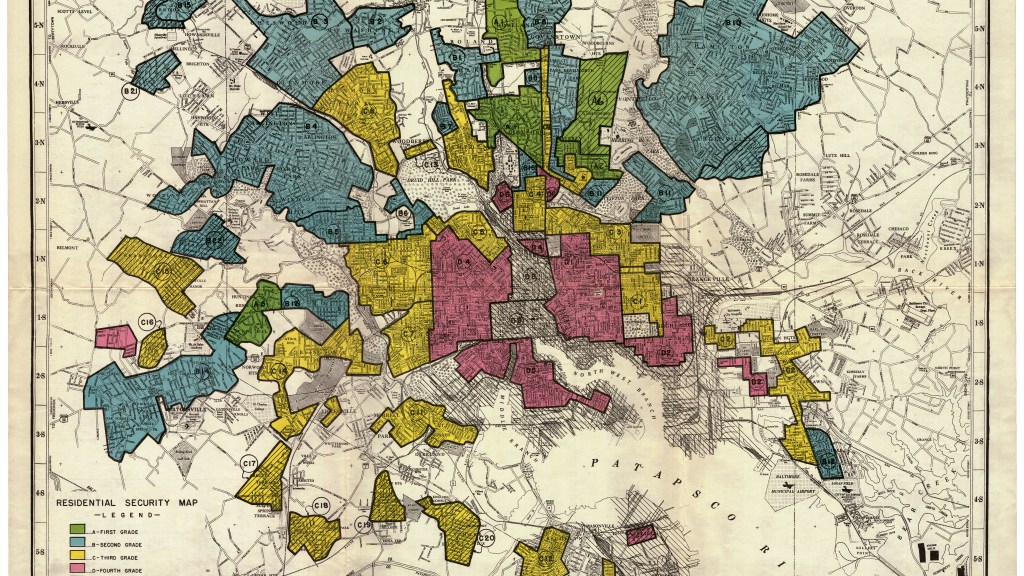
The failure engendered in poverty is a collective one. It represents our willingness to accept a world where “the affluence of the few supposes the indigence of the many”—a world where those living east of the Anacostia are condemned to destitution and misery.

 The Activist History Review