
The Danger of True News on the Road to Charlottesville
Rather than focus on #FakeNews, media consumers should focus on whether true or real news is a reliable or useful standard.
The Future is Another Country
Rather than focus on #FakeNews, media consumers should focus on whether true or real news is a reliable or useful standard.

While white supremacists seek confirmation of their personal racial inheritance, they are often confronted with what they regard as deeply discrediting information, such as mixed-race ancestry. This new type of genetic information creates what we call a genetic stigma—a significant gap between the person’s prior conception of themselves and the way others in the broader community perceive them.

“Confederate Pepe” appeals to a demographically diverse, less digitally organized right movement, yet manages ultimately to “unite the right” through its easy, overreaching racist symbolism.
Even in the face of life-threatening natural disasters and military action potentially on the horizon, ‘45’ makes clear through his weekly escapes to his members-only, signature golf clubs that revitalizing the bonds of white fraternity is an essential part of his project of ‘Making America Great Again.’
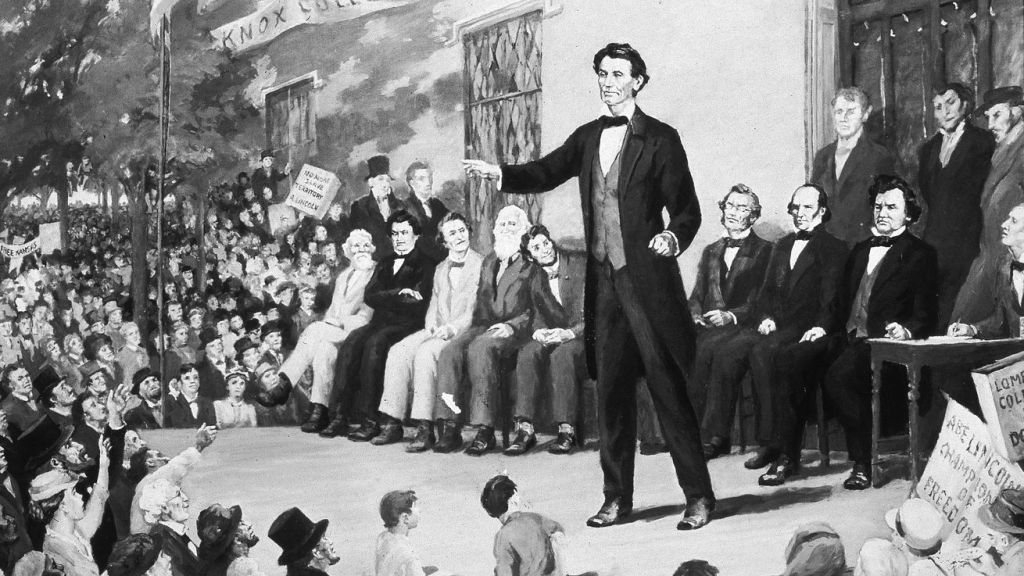
White backlash was never limited to the southern states. Vast and sudden changes after 1865—especially implied by the prospect of emancipating four million black people—stirred ugly counterattacks and racial backlash against the nation’s free black northern population.

Life and cultural expectations in East Texas continue to promote segregation in both personal and social relationships. Although white supremacist marches like the one in Charlottesville grip American headlines, neo-Nazis and Klansmen supporting the same doctrine in the open are not uncommon behind the Pine Curtain.

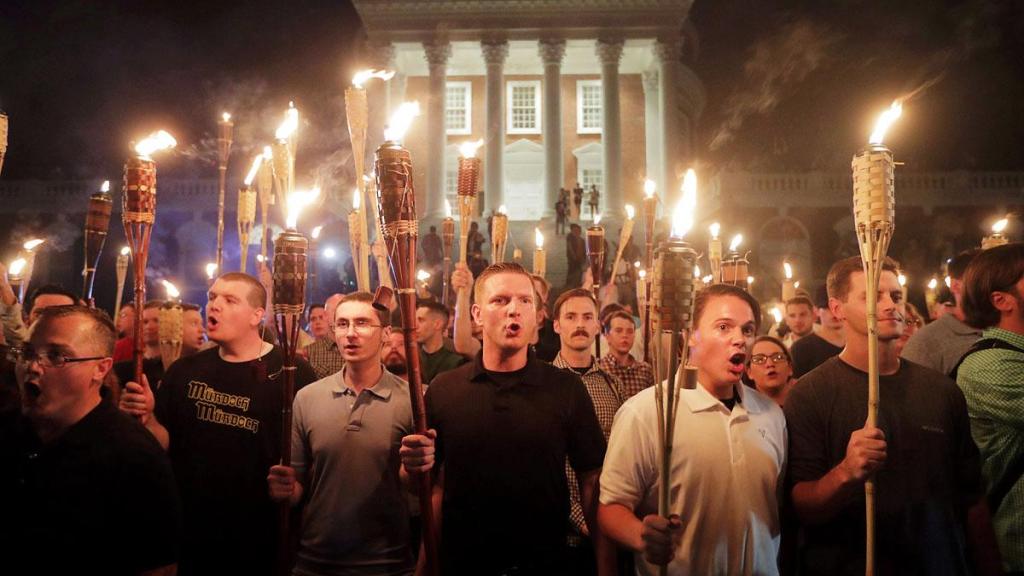
Where do we find mainstream expression of white supremacy today? The answer emerges across the media and political landscape. One of the key markers of white supremacy is the anxiety of being replaced, pushed out in the new multicultural social order.
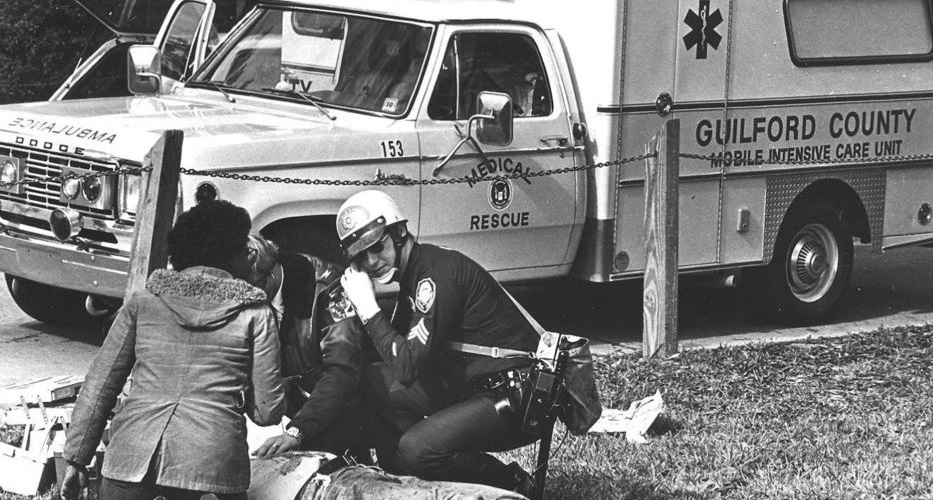
The comparison of Greensboro and Charlottesville makes it clear that white supremacy never left and white backlash continues to challenge equality as the country grasps for human rights.

Racism and oppression, like domestic terrorism, have deep roots in the United States. As modern Americans confront a seemingly endless barrage of racial violence and terrorism, the language associated with these crimes serves as an important marker of national values and beliefs.
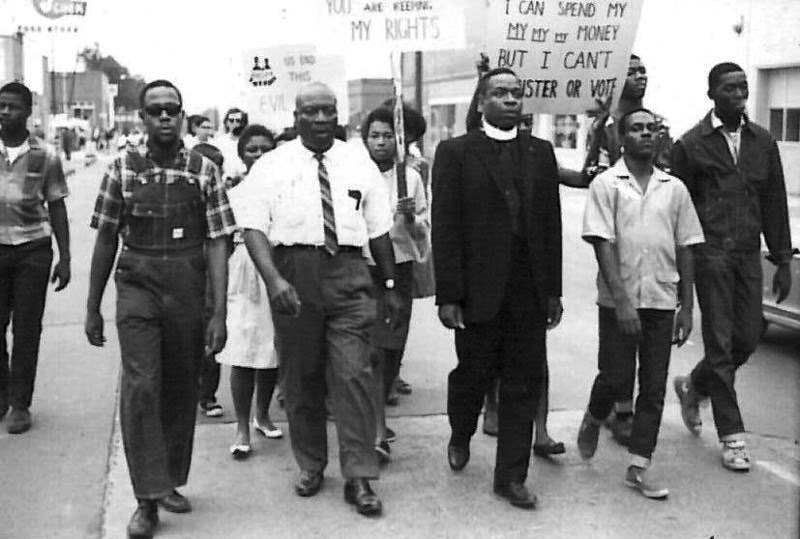
While the response of the president was certainly unprecedented, the inclination to highlight violence on the Left, and especially violence from black Americans, is not. In the mid 1960s, as black activists engaged in a decidedly nonviolent struggle for justice, that same tactic appears.

 The Activist History Review