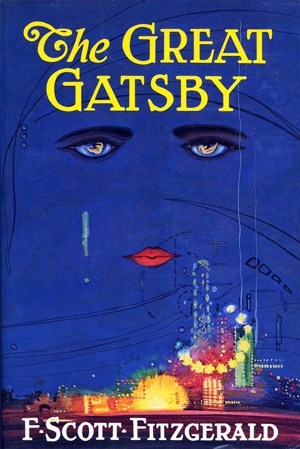
Cloaking the Poor: Reading and Representation in American Literature
The poor cannot be saved by respecting their cultural identity. What they need is money.
The Future is Another Country
The poor cannot be saved by respecting their cultural identity. What they need is money.

Underserving of merit in any other way, Donald Trump’s overweening emphasis on his financial success is an effective way to establish social dominance and gain power from individuals who consider wealth the ultimate “accomplishment.”
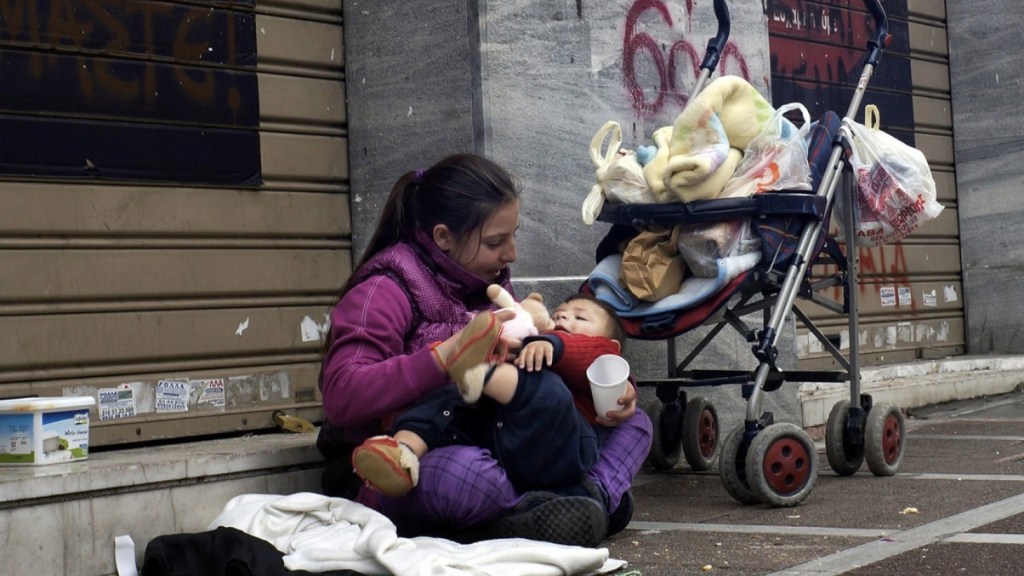
This is what we often overlook when we write about work: people exist beyond of systems of labor and exploitation.

Given this picture of the state as defined by poverty, it is little wonder that West Virginia became known for its support of Donald Trump and his promise to “make America great again.” But, here in West Virginia, there is also a sense that our collective longing for the good old days has been hanging around for quite some time.

The failure engendered in poverty is a collective one. It represents our willingness to accept a world where “the affluence of the few supposes the indigence of the many”—a world where those living east of the Anacostia are condemned to destitution and misery.
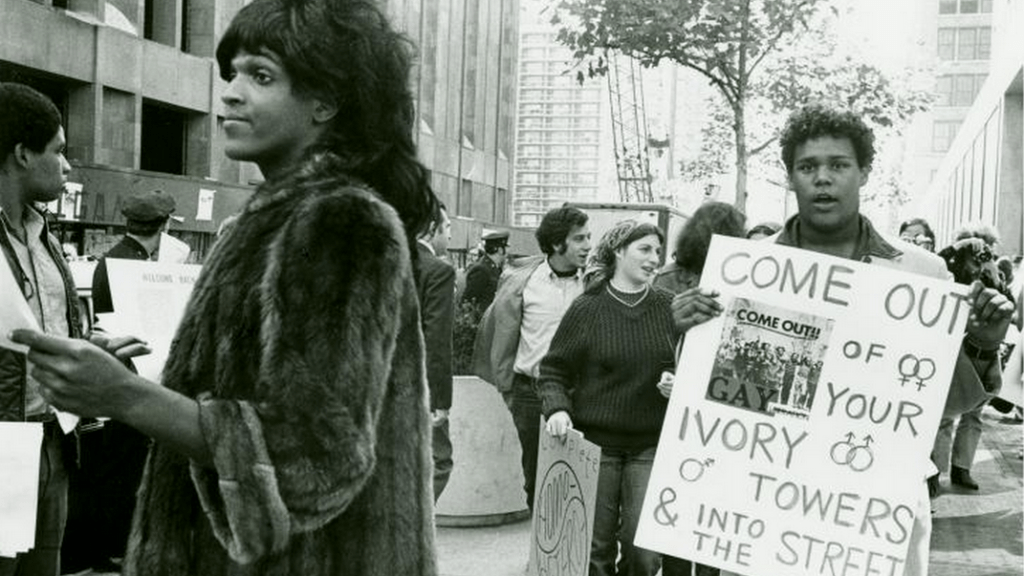
I realized that I was attracted to women when I was 22-years-old. When it finally clicked, I remember thinking, this is what it is supposed to feel like.
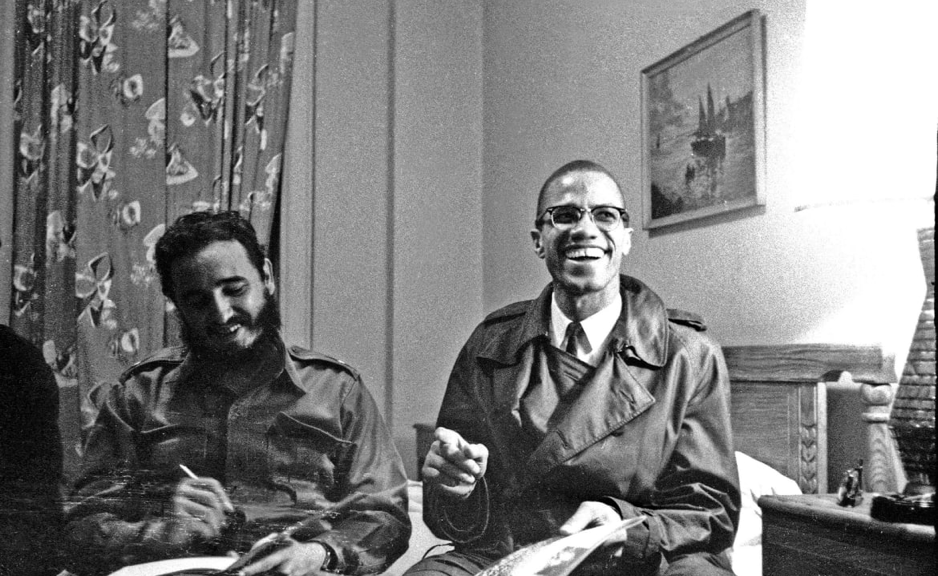
Writing a comprehensive global history of the post-1945 world is a daunting task. Unit 5 “Toward a Global Civilization” of Jackson Spielvogel’s textbook World History: Modern Times grapples with this difficult assignment through five chapters, yet without much success.
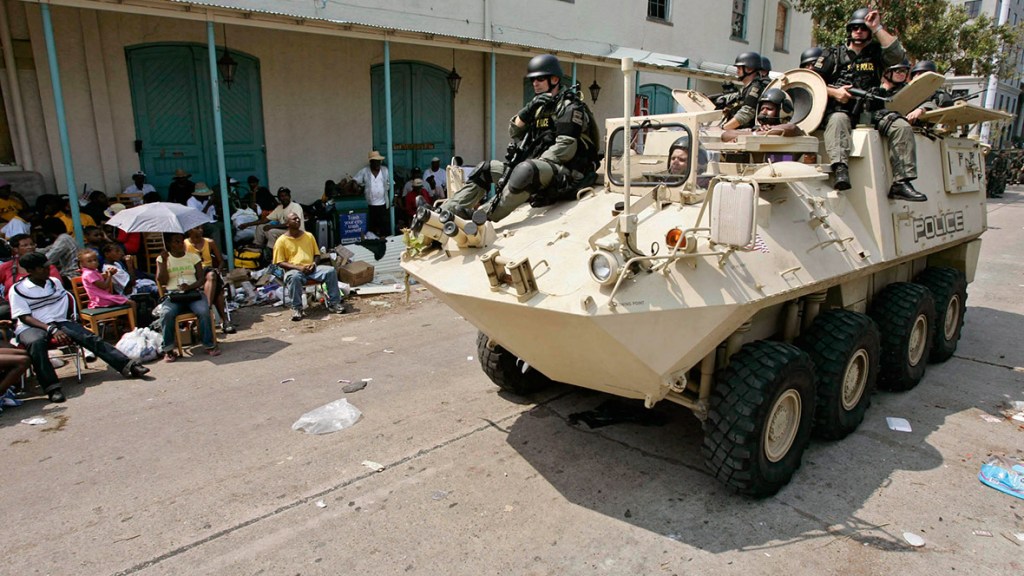
It may be a truism that the storm washed massive structural injustices into our collective view, but as a country, we seem to have rationalized them away.
Unit 7 of The American Vision, “Global Struggles,” covers the period from 1941 to 1960, providing an overview of the decades’ important events and issues that improves greatly upon the triumphalist Cold War textbooks that I remember reading as a teenager.

One of the main problems with Spielvogel’s World History: Modern Times is a lack of balance. Unit four of the textbook focuses on the 31-year period from 1914-1945. Within this densely-packed unit, three of the four chapters focus primarily on Europe. The rest of the world, including the United States (surprisingly) is discussed briefly, if at all.

 The Activist History Review