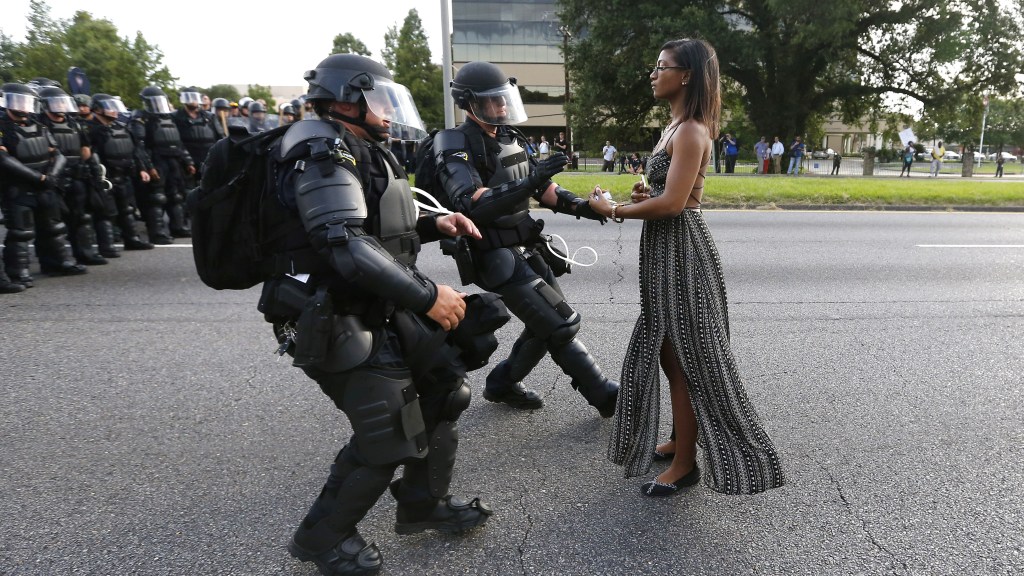
Legal Action Without Protest?
Maybe, through protest, we can create a government that acts on its own for justice. Maybe, through protest, we can make protest obsolete. Maybe.
The Future is Another Country
Maybe, through protest, we can create a government that acts on its own for justice. Maybe, through protest, we can make protest obsolete. Maybe.
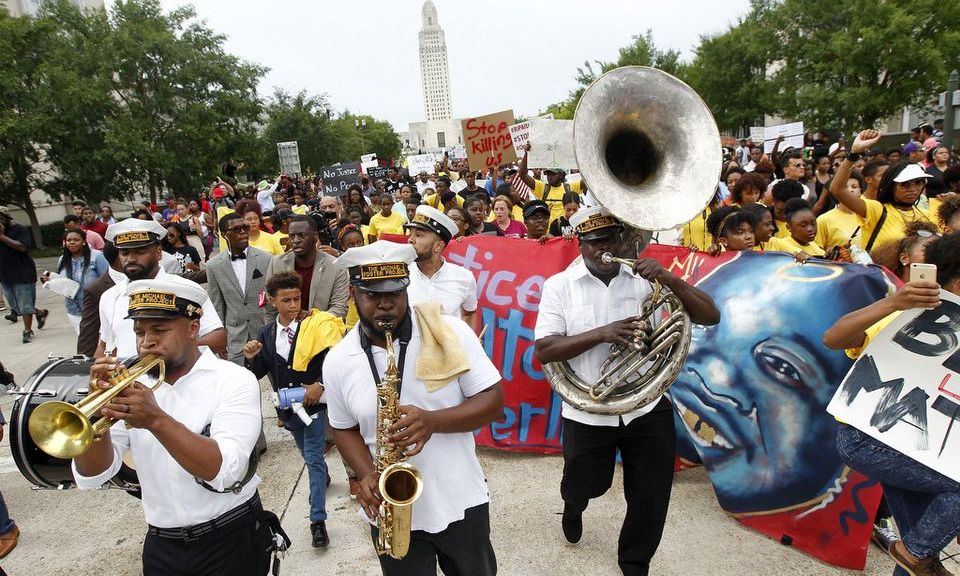
It is sad that it took such a tragedy to get our community to realize that our city has such a problem with racism—a problem our community has struggled with for generations. Fortunately, the solution is blossoming before our eyes.
“I’m proud to be white,” someone recently told me. He interjected the comment in a contentious political conversation. I responded by advocating “more caution” in expression. The exchange fizzled without resolution. Yet this phrase, “proud to be white,” continues to disturb. My conversation partner was no white supremacist. But his chosen phrase would have fooled many. What lies within it is a key for understanding a threatening and intractable problem of American society: what I call “the problem of white people.”

The Activist History Review is seeking applicants for positions on its editorial board. Qualified applicants may hail from a wide variety of personal, political, intellectual, and disciplinary backgrounds both in and out of academia, but should be dedicated to understanding the ways that our studies of the past should impact our actions in the present.
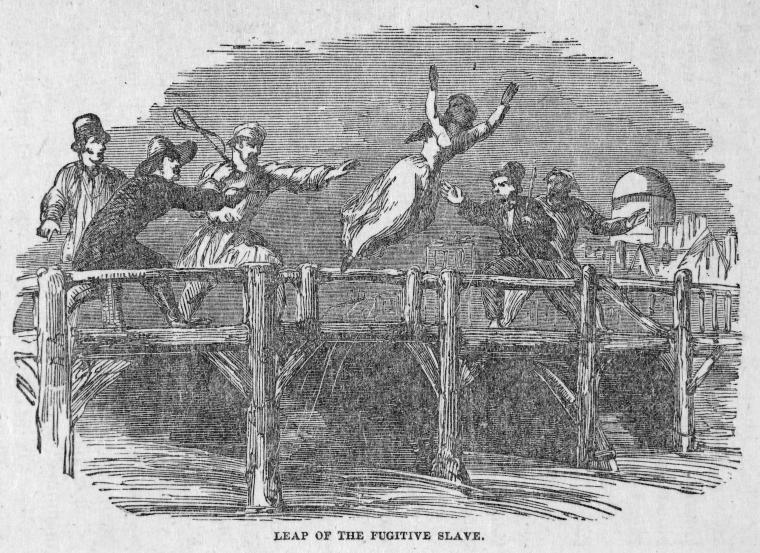
One of the major purposes of the humanities is to expose students to new points of view, especially the views of minorities and other disadvantaged groups whose voices are often neglected. The Civil War Era is a particularly useful period for such considerations, as it prominently featured racial division that continue today.

The more answers about Negro History Week I found in Du Bois’s papers and collections associated with his life and times, the more questions surfaced. These inquiries have pushed my research on Du Bois and Negro History Week into broader considerations of the mixed methodology he used in the production of black history, and the black radical internationalist framework of his historical imagination.

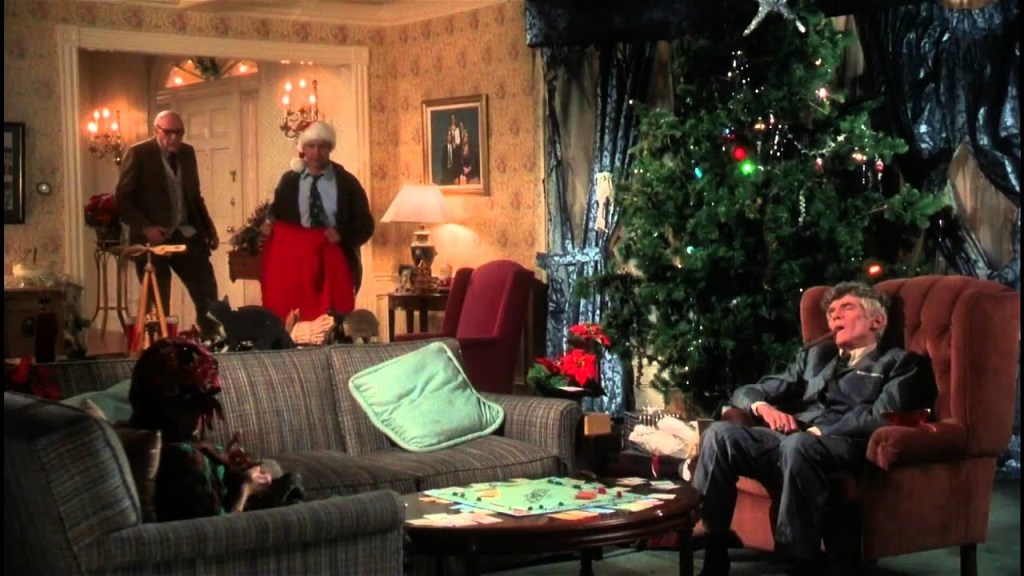
The festive season is a time when we’re confronted with the best and worst of ourselves as a society. But for academics, and particularly for those of us still toiling away in graduate school, the chance to reconnect with friends and family brings with it a formidable challenge—the perennial task of explaining, to the satisfaction of your interlocutor, what exactly it is that you study anyway, huh?
Staying with Prexy in Chicago reenergized me. I felt better about my own scholarship, and wanted to continue it. Moreover, I determined to start drawing more connections to the injustices I saw in the present.
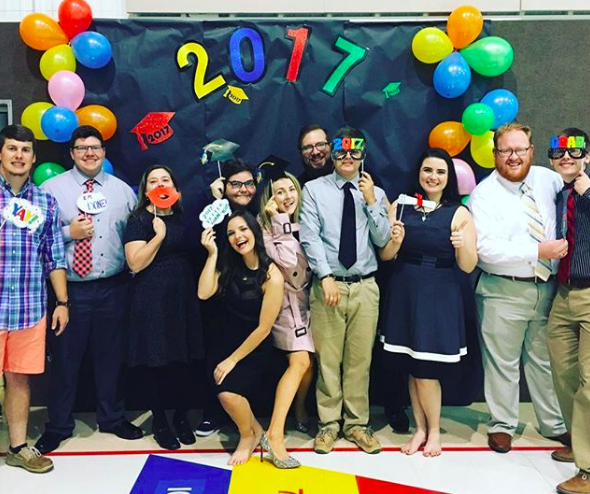
My grandmother was right; my high school students needed me. What my grandmother may not have anticipated though was the extent to which I needed my students.
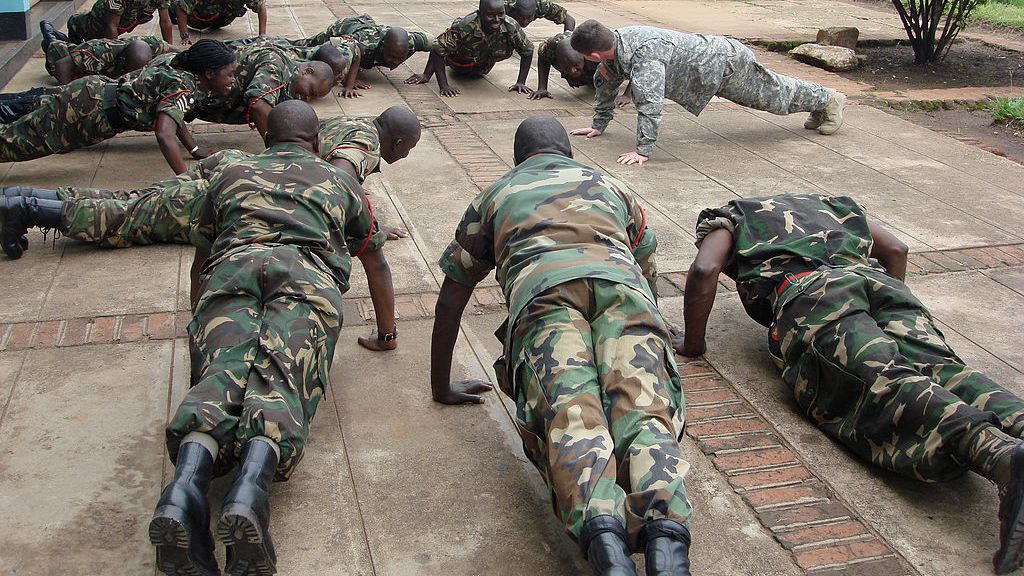
Then a huge articulated lorry came thundering past, so close and so fast the Landrover shook wildly. “Shit!” Uttering that expletive, Njoloma woke and rubbed his eyes. “Well that’s better!” he proclaimed while starting the engine and driving on.

 The Activist History Review