
Burning Borders: Disability Brought to Bear
The Activist History Review invites proposals for our October 2019 issue, “Burning Borders: Disability Brought to Bear.”
The Future is Another Country
The Activist History Review invites proposals for our October 2019 issue, “Burning Borders: Disability Brought to Bear.”

Qualified applicants may hail from a wide variety of personal, political, intellectual, and disciplinary backgrounds both in and out of academia, but should be dedicated to understanding the ways that our studies of the past should impact our actions in the present. We especially encourage members of marginalized communities to apply.
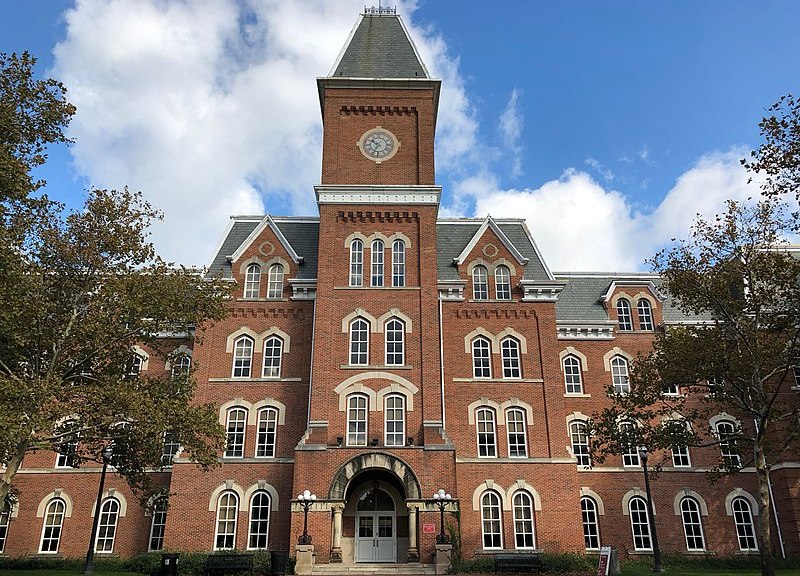
“In early November 2017 the Republican-led House of Representatives released their version of what would become the Tax and Job Acts—an unprecedented give away to the wealthiest Americans. A provision in the bill would have included the ‘taxing’ of graduate student tuition waivers. As a result, graduate students could have owed the government thousands of dollars in ‘taxes,’ despite the majority of graduate students earning less than $20,000 a year. “
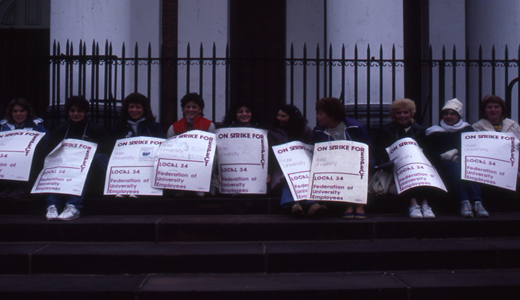
The failures of the Hormel plant strike in 1985-86 captured the U.S. public imagination, setting a defeatist tone for the labor movement. But what might the labor movement still learn from the successes of the 1984-85 Yale strike of mostly-women clerical and technical workers?
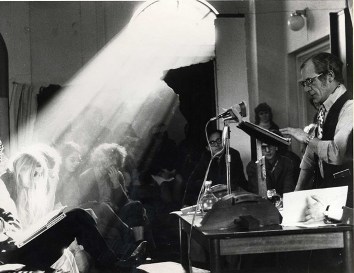
“In effect, the History Workshop Journal editors were reviving a longer legacy of solidarity between atomized elements of the working class; between university students and teachers, historians and the public, and campus workers and trade unions. Throughout the twentieth century, these groups allied in the face of existential threats.”
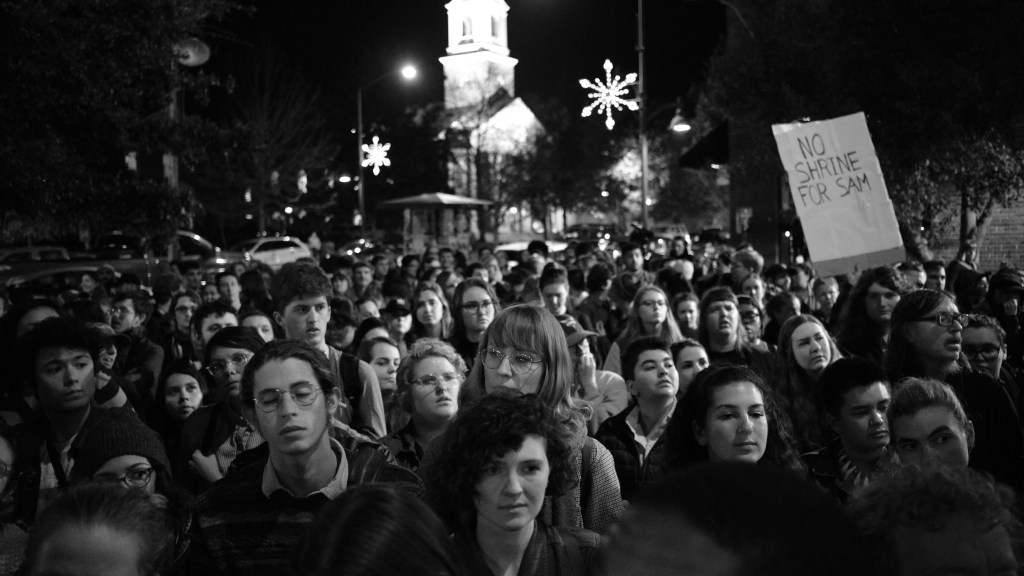
We write this essay as strike supporters to encourage others in nominally secure positions, and especially those in tenured and other protected positions, to utilize their positions in the fight against racism and fascism at the university.

The faculty at San Francisco State took up an approach that was race conscious rather than color-blind, prioritized anti-racist struggle in the schools even as they made class-based demands, took the lead from people of color, and promoted militant actions in support of racial justice.
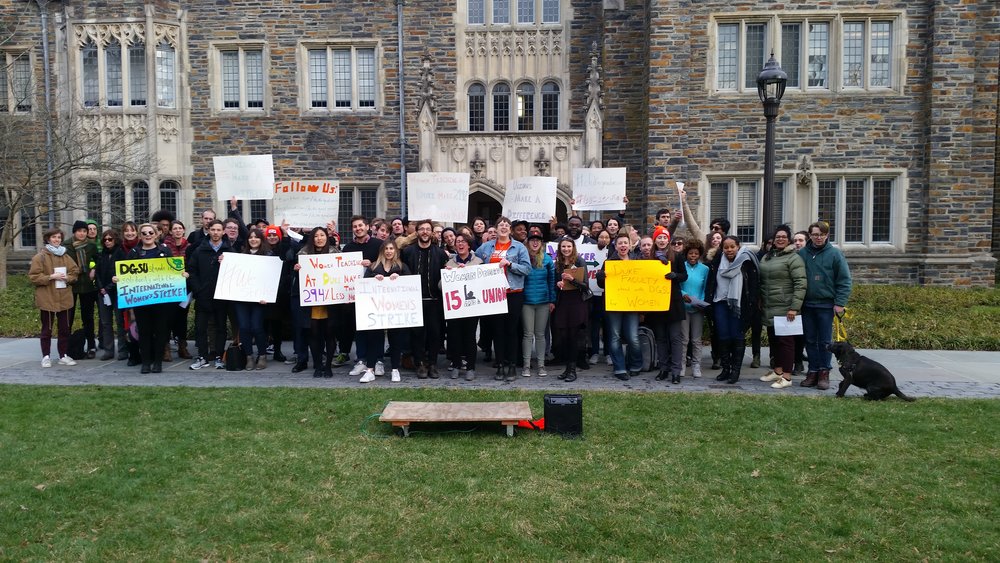
For many inside and outside of academia the notion that graduate students are indeed workers is not readily clear. In large part, I came to see this as mirrored through the reproduction of academia’s lack of emphasis on scholarly praxis.
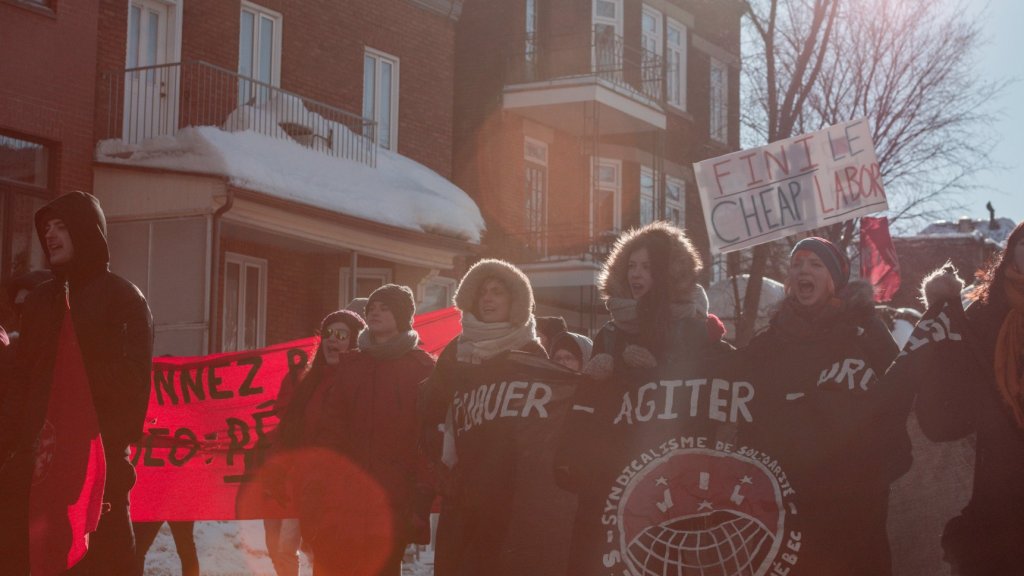
On how the 2019 Québec Student Strike has made it possible for a new generation to conceive of study itself as a form of intellectual labor deserving of wages and suitable working conditions.

This article adopts critical auto-ethnography to examine how Australian university unions and unionists have developed strategies for campus activism. The enablers and restraints on union activism in Australian higher education are discussed using the device of vignettes of a unionist active in the sector from the 1980’s onwards, and an agenda for the future raised.

 The Activist History Review